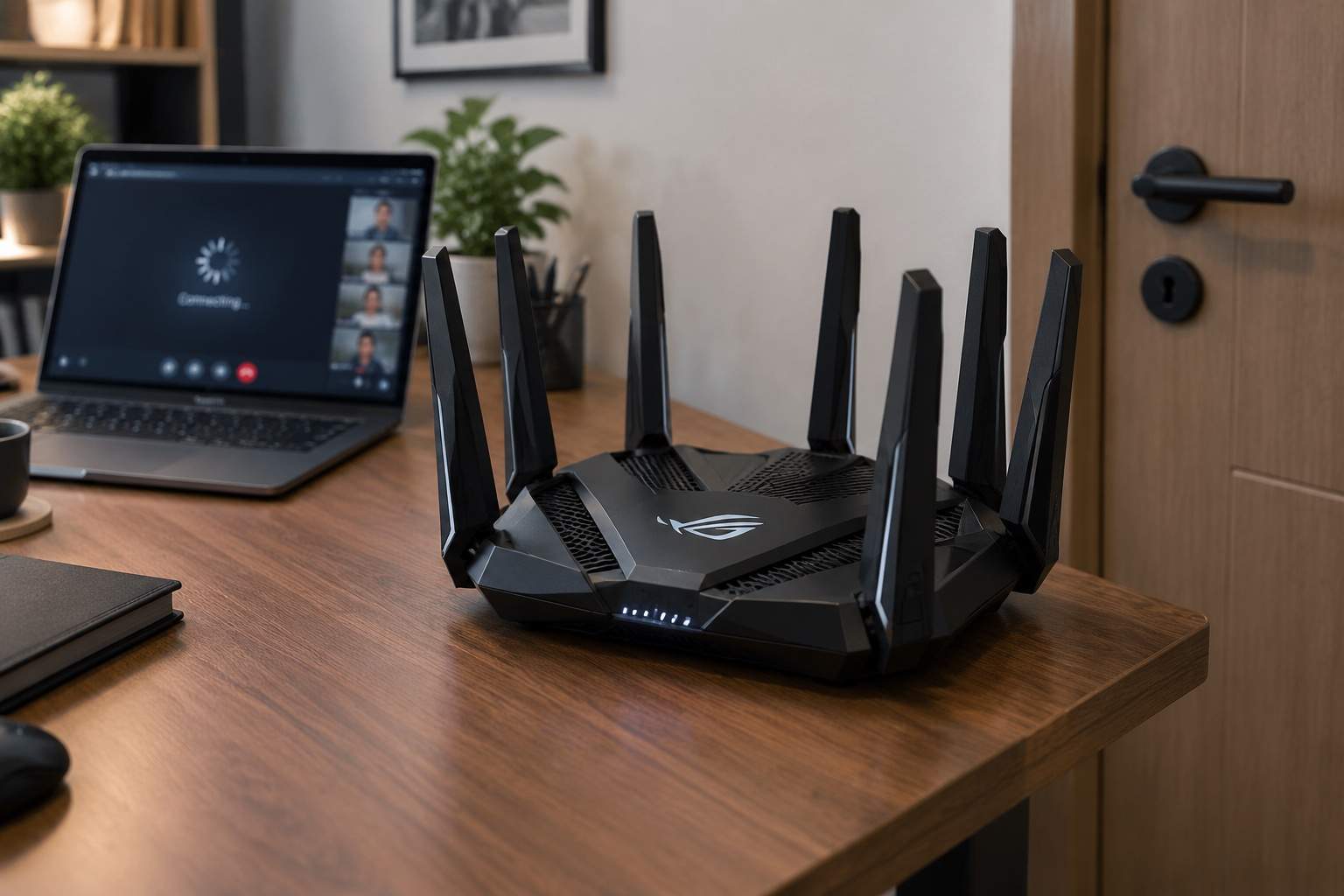
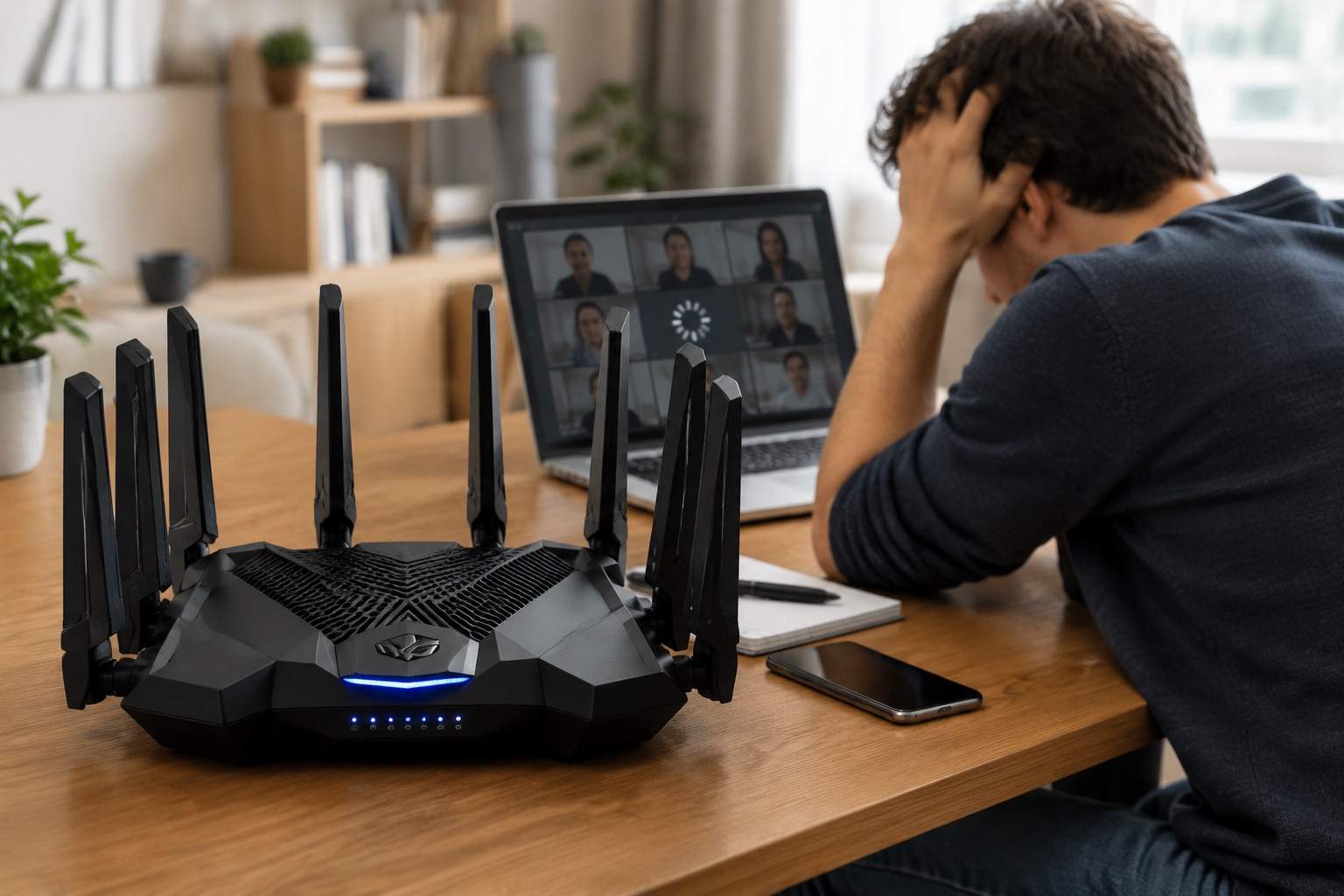
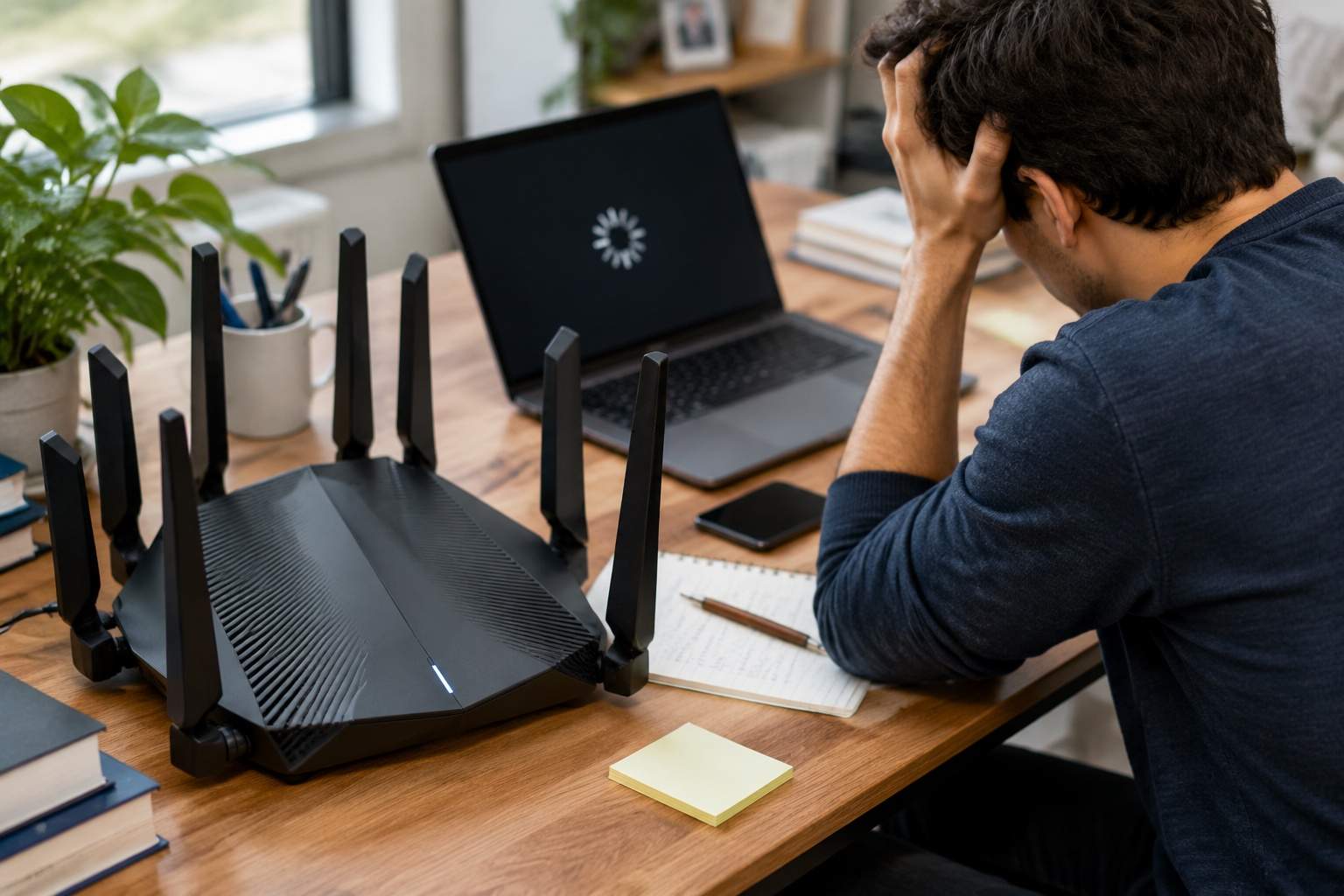
You just shelled out extra cash for a blazing 1 Gigabit per second internet plan, excited for lightning-fast downloads and flawless 4K streaming. But despite the speed test showing impressive numbers right next to your modem, the moment you move to the bedroom, or multiple family members get online, your video calls lag, games experience high latency, and your favorite shows constantly buffer. You feel ripped off, blaming your Internet Service Provider (ISP) for not delivering.
Let's cut to the chase, my friends. That sinking feeling of getting less than what you paid for? It’s real. But nine times out of ten, your ISP isn't the villain; your humble router, sitting quietly in a corner, is often the true bottleneck. You've bought a Ferrari, but you're trying to drive it through a muddy back road that your old router created.
Think of it this way: your internet connection from your ISP is like a huge water pipe delivering water to your house. Gigabit means a really, really big pipe. But if the faucets and plumbing inside your house are old, narrow, or clogged, you’re still only getting a trickle at the tap, right? Your router and your home Wi-Fi are that internal plumbing system.
The data doesn't lie. A study by OpenVault showed that average internet speeds consumed by households continue to climb, yet a significant portion of users with high-speed plans (500 Mbps or more) still experience inconsistent performance. Why? Because while your ISP guarantees speed to your modem, your router is responsible for distributing that speed throughout your home. A cheap or old router often can't handle the sheer volume of data, especially when multiple devices compete for bandwidth. It's like trying to host a massive dinner party in a tiny kitchen – chaos ensues.
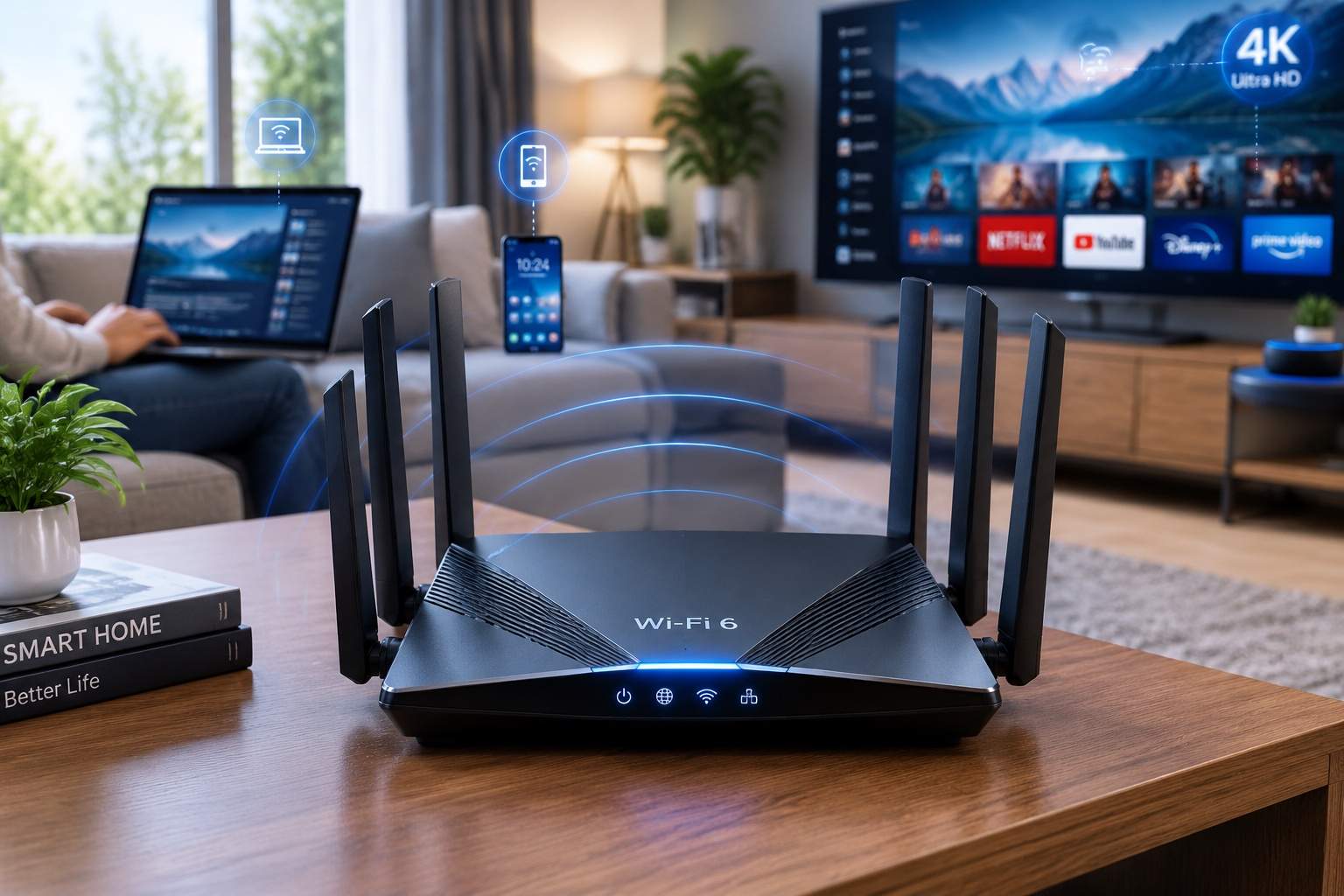
Consider a typical family of four. Dad is on a video call, Mom is streaming 4K Netflix, one kid is gaming online, and the other is downloading a large file for school. If your router is an older Wi-Fi 5 (802.11ac) model, its ability to juggle all these simultaneous high-bandwidth demands is severely limited. You might see 900 Mbps right at the router, but move two rooms away, and that same device might only pull 150-200 Mbps due to signal degradation and network congestion. That's a dramatic 80% drop!
This is where understanding your internal network becomes your superpower. Upgrading to a modern router, specifically one with Wi-Fi 6 (802.11ax) or even Wi-Fi 6E, can be a game-changer. Wi-Fi 6 isn't just about raw speed, though it helps. Its real magic lies in its efficiency. It's like building more lanes on that internal road, plus adding traffic lights and better road signs to manage multiple cars (devices) simultaneously without them crashing into each other. It uses technologies like OFDMA and MU-MIMO to communicate with many devices at once, rather than one at a time, drastically reducing latency and improving average speeds for everyone.
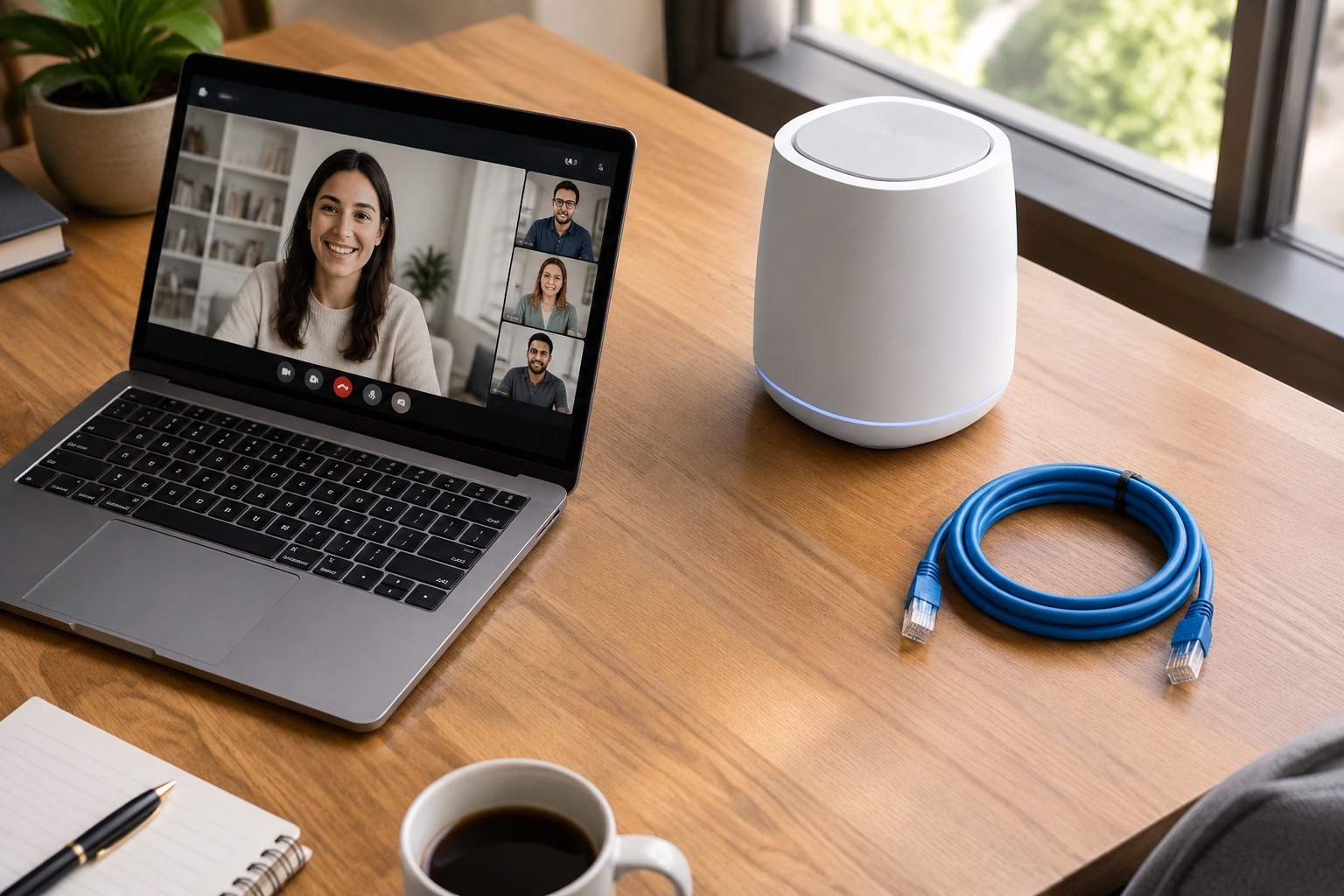
For larger homes or those with multiple floors, a single, powerful router, even Wi-Fi 6, might still struggle to cover every corner. Here, a Mesh Wi-Fi system truly shines. Instead of a single point of failure, mesh systems use multiple nodes that intelligently cooperate to create a seamless, strong Wi-Fi blanket over your entire property. Imagine having consistent 500+ Mbps speeds in your backyard office, not just next to the living room router. While more expensive than a single router, the consistent coverage and elimination of dead zones often make it an invaluable investment for real-world performance.
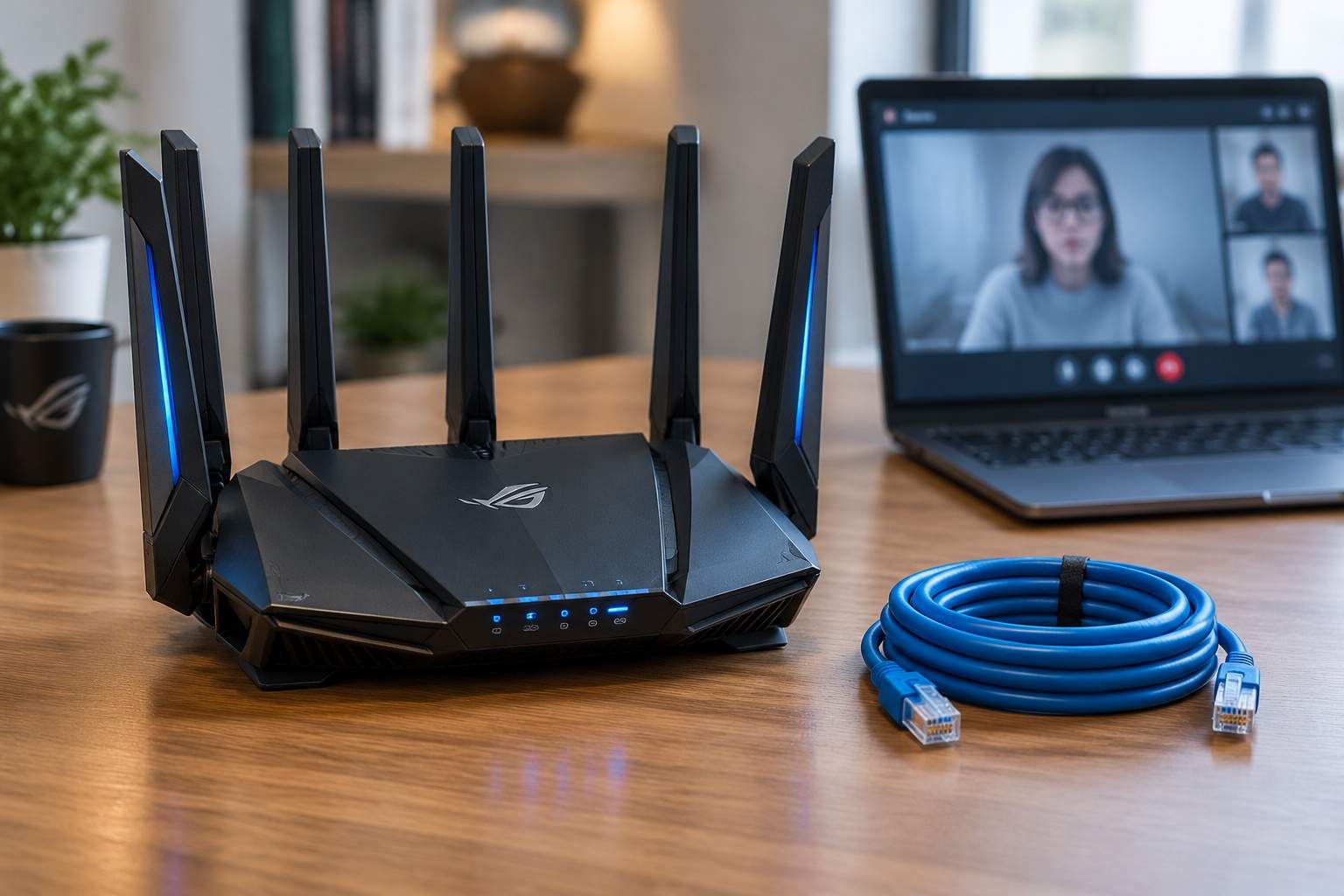
What about that rock-solid performance? For stationary devices like your primary gaming PC, smart TV, or home server, nothing beats an old-fashioned Ethernet cable. A Cat 6 Ethernet cable ensures virtually zero latency and the full gigabit speed without any wireless interference. It’s the ultimate VIP lane for your most demanding devices. Don't overlook the simple, robust reliability of a wired connection where practical.
Furthermore, delve into your router's settings. Look for "Quality of Service" (QoS). This feature allows you to prioritize certain types of traffic – like giving your video calls priority over your teenager's game downloads. It's not about making things faster, but making sure the important things stay smooth, even when the network is busy. For the truly advanced, even proper channel selection can make a noticeable difference in congested Wi-Fi environments.
So, before you rage-call your ISP, take a good, hard look at your home network's backbone. An investment in the right router or a mesh system isn't just about numbers; it's about making your expensive internet plan actually feel fast, smooth, and reliable across every inch of your digital life. It's about letting technology serve you, not frustrate you.