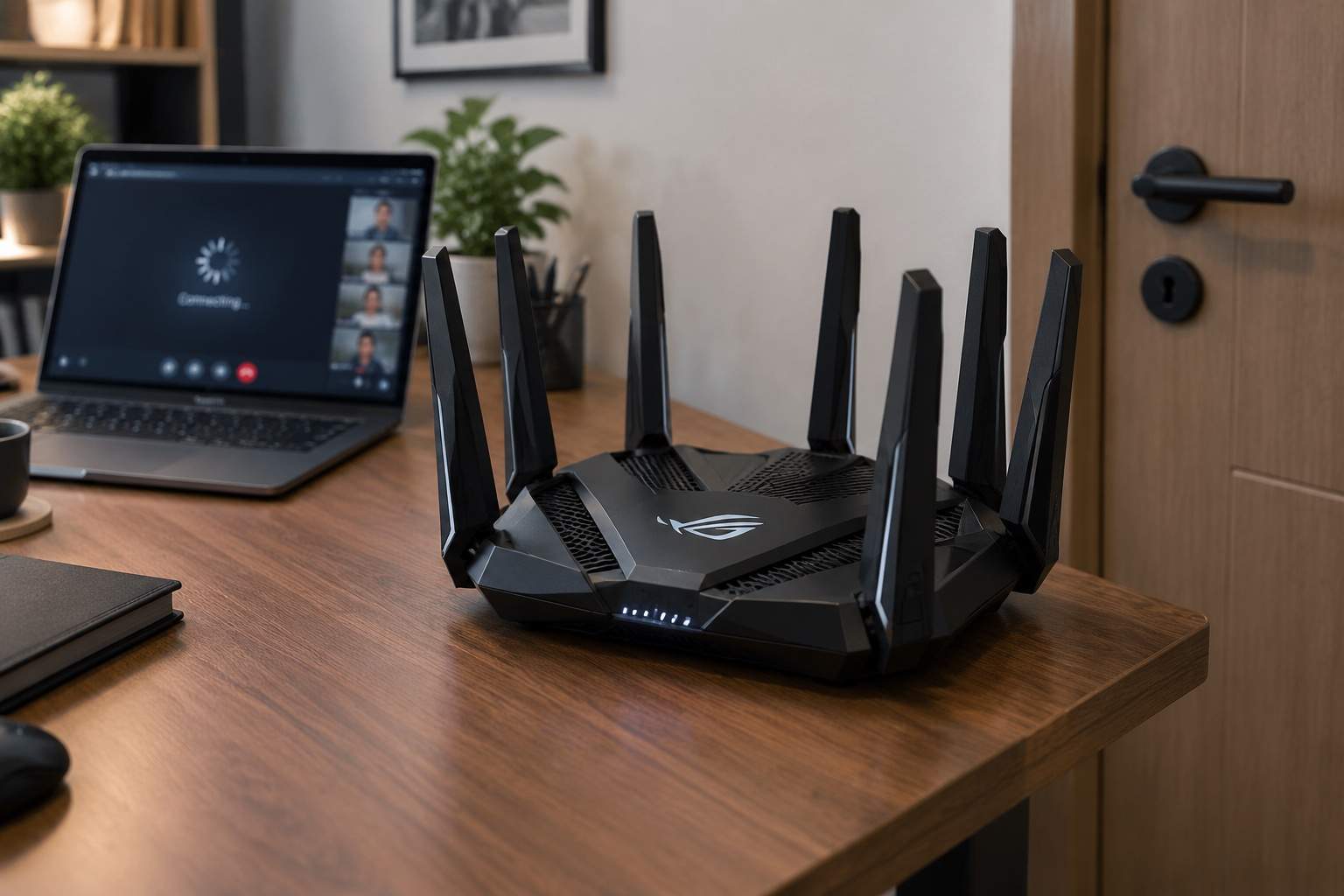
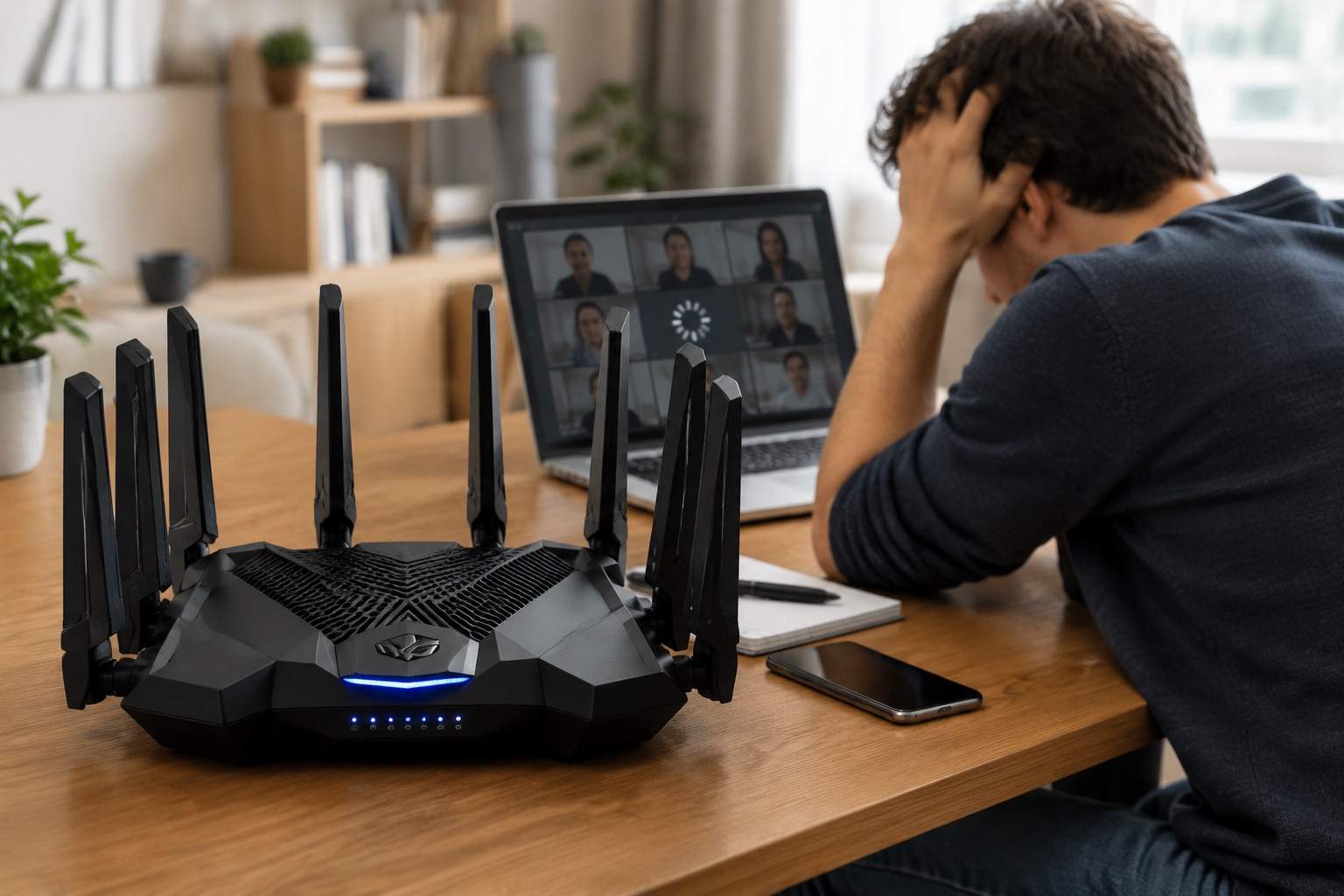
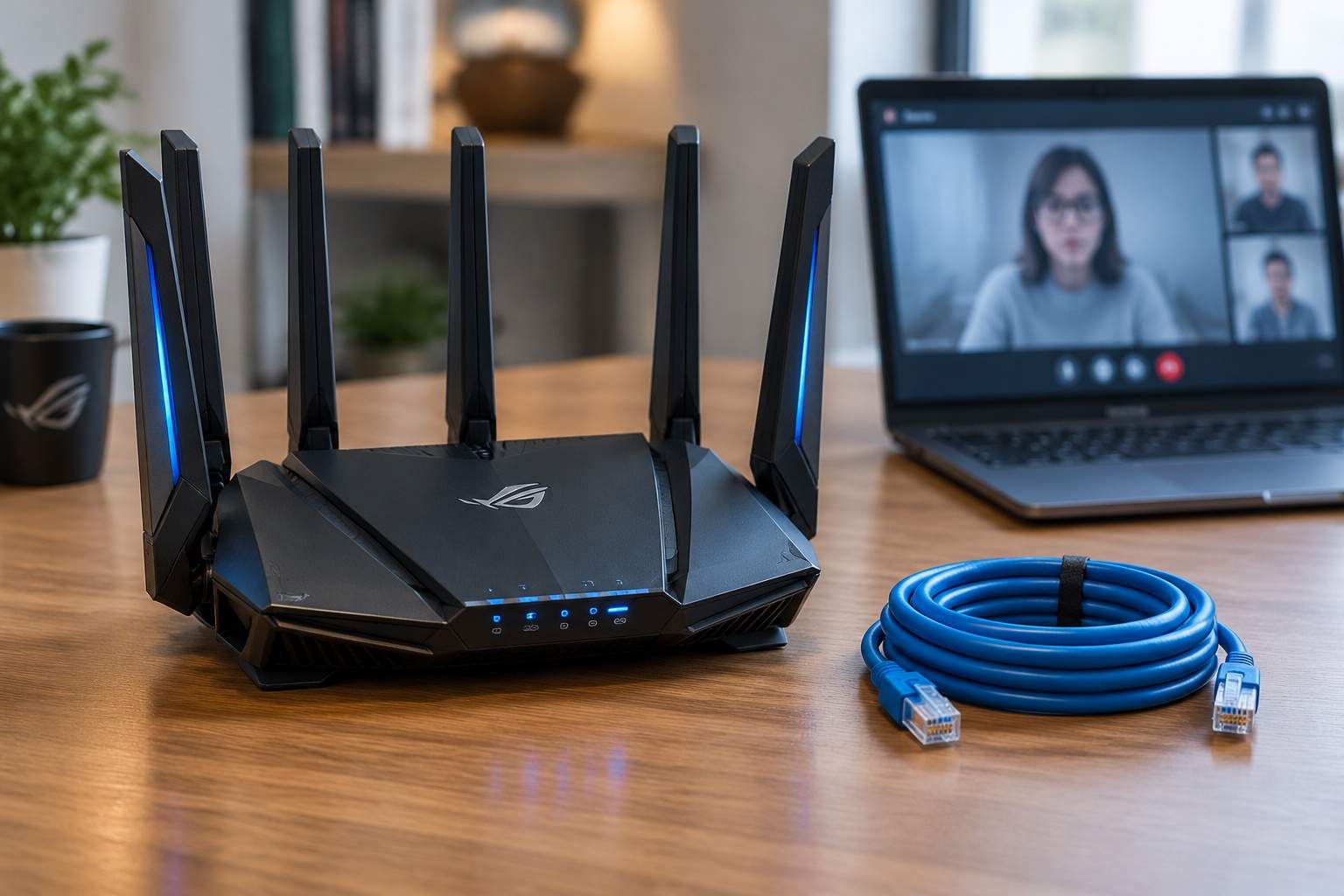
You just spent a small fortune on a 2000Mbps fiber plan and a flagship router that looks like a crown of thorns. You expect the digital equivalent of a teleportation device. Instead, your Zoom calls still freeze the moment someone else in the house starts a 4K stream. This is the great bandwidth trap of the modern era.
As an engineer who has spent decades looking at how packets move through silicon, I can tell you that we have been sold a lie. We are told that speed is everything. But in the world of networking, your 2000Mbps plan is just the width of the road. If the traffic lights are broken, an eight-lane highway is just as slow as a dirt path.
The culprit is something we call bufferbloat. Think of your router as a waiter. High bandwidth means the waiter has a massive tray. However, if the waiter insists on filling that entire tray with every single drink order before walking to the table, your glass of water arrives ten minutes late. In networking terms, your router is holding onto small, urgent packets like your voice on a call while it tries to manage a massive pile of data from a background download.
I have seen 2.5G fiber lines show a ping spike of 400 milliseconds the moment a cloud backup starts. For context, a 300Mbps line properly tuned with Smart Queue Management usually stays under 20 milliseconds. In a home office, that 380 millisecond difference is the gap between a professional presentation and a stuttering mess that makes you look like you are calling from the moon.
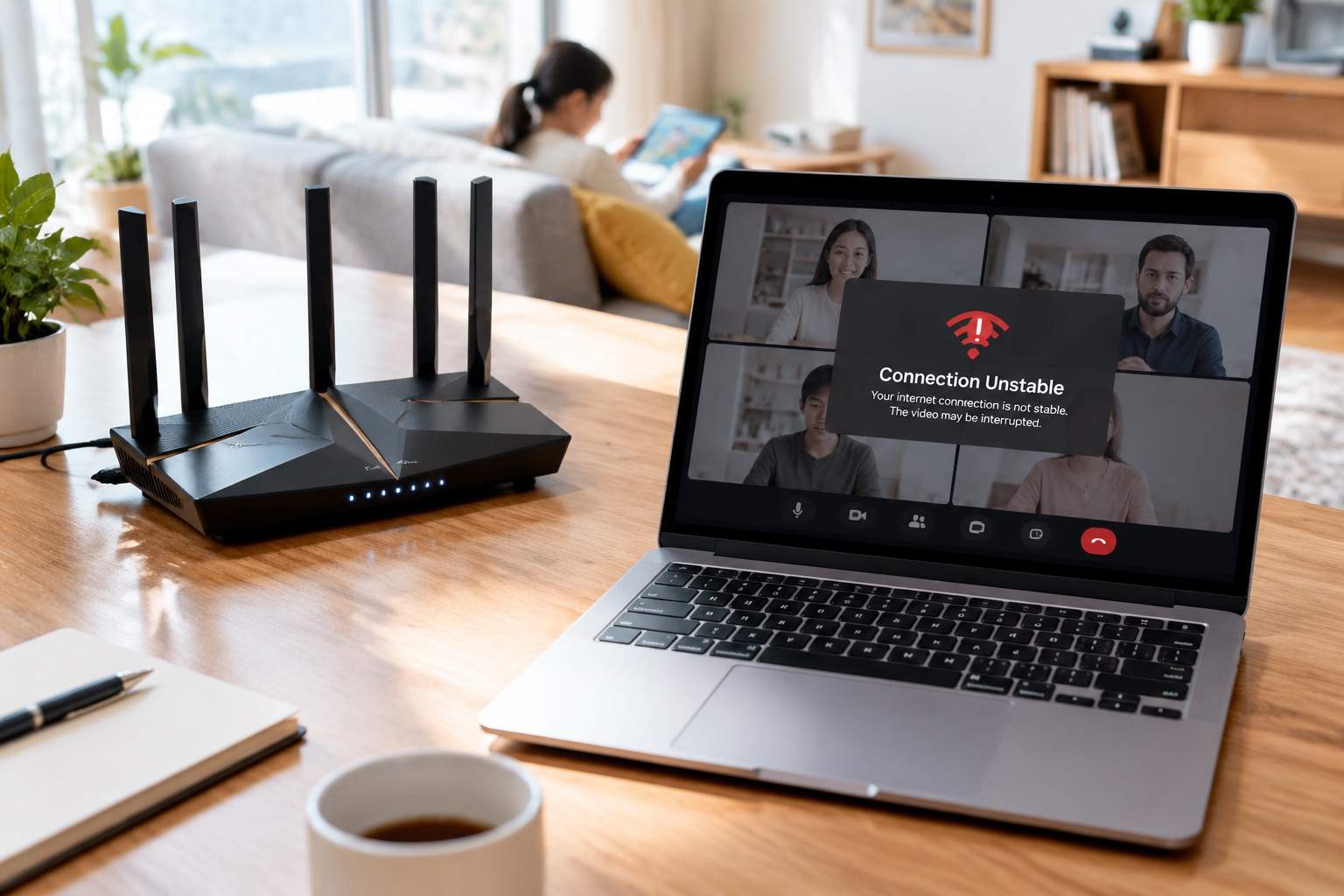
Most flagship routers are designed to win on spec sheets, not on real-world utility. They boast about 2.5G WAN ports because it is an easy number to market. But the processors inside these devices often lack the intelligence to prioritize traffic. They allow one heavy user to saturate the entire connection, creating a digital traffic jam that kills responsiveness for everyone else.
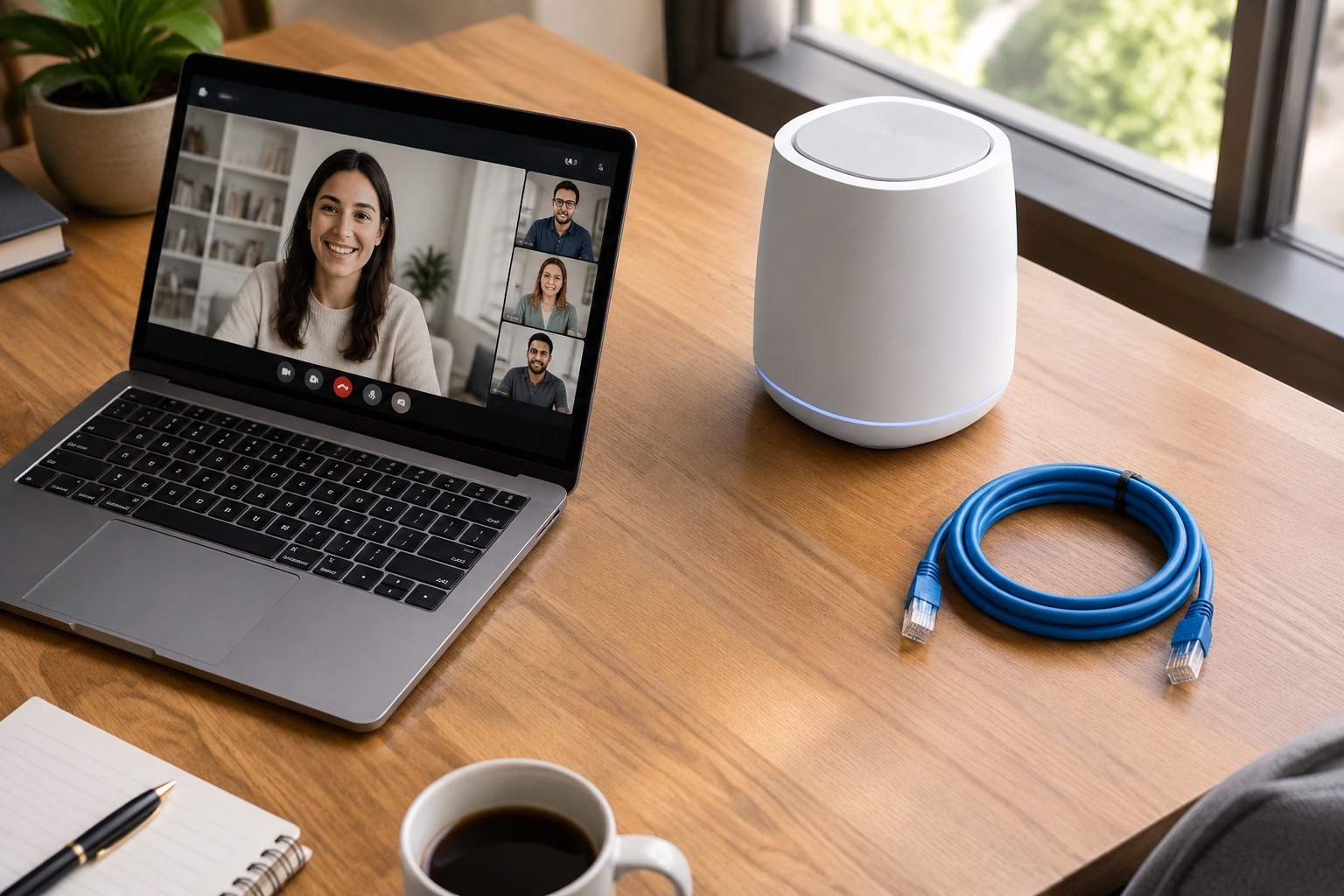
We measured a high-end gaming router against a modest prosumer unit. On the 2000Mbps line, the gaming router delivered raw speed but failed the responsiveness test during multi-user loads. The cheaper unit, running a traffic-shaping algorithm called SQM, actually limited the total speed to 900Mbps but kept the latency perfectly flat. The result was a much smoother experience for video calls and gaming.
If you are a heavy downloader who lives alone, the 2000Mbps plan is fine. You will see that progress bar move fast. But for a family or a home office where multiple devices are fighting for airtime, raw speed is your enemy. It encourages your devices to be greedy, which fills up the buffers and causes the invisible lag that ruins your productivity.
The hardware itself often feels premium, with heavy heatsinks and gold-plated ports. But the weight of a router does not help your data packets move faster. What you actually need is a device that treats your data like an emergency room triage nurse. It should identify that your 20KB Zoom packet is more important than a 2GB game update and move it to the front of the line instantly.
If you want a network that actually works, stop chasing the 2.5G dream. Most home devices only have 1Gbps ports anyway, so that extra speed is literally hitting a brick wall the moment it enters your house. You are paying for a capacity you cannot use, which in turn creates the congestion that makes your connection feel slower than a basic cable line from ten years ago.
The solution is simple but unsexy. Lower your expectations for top-line speed and focus on quality of service. A stable, managed 500Mbps connection is vastly superior to a chaotic 2000Mbps connection. Look for equipment that mentions FQ_Codel or Cake algorithms. These are the "human" solutions to digital traffic. They ensure that even if the whole house is online, your most important work gets through without a hiccup.
Technology should serve us, not make us troubleshoot at 9:00 AM on a Monday. High-speed fiber is a tool, but without the right management, it is just an expensive way to be frustrated.