There’s a familiar frustration that comes with glancing in the mirror midday and noticing your hair already clinging to your scalp, or catching a glimpse of those tiny white flakes on your shoulder—no matter how many times you brush them away. Excessive scalp oil and persistent dandruff aren’t just cosmetic nuisances; they’re signs that your scalp’s natural balance is off-kilter. This imbalance often starts with the scalp’s microbiome, a delicate community of bacteria and fungi that work to keep your skin healthy. When this community gets disrupted, the result can be a cycle of oiliness, irritation, and flaking that feels impossible to break. The good news is that with the right care routine—one that addresses the root causes, not just the symptoms—you can restore that balance and enjoy healthier, more comfortable hair.
To understand why these issues happen, it helps to look at the common triggers that throw the scalp’s microbiome out of whack. One of the biggest culprits is improper cleansing. Many people either wash their hair too infrequently, letting oil and dead skin cells build up and feed harmful bacteria, or they overwash with harsh products that strip the scalp of its natural oils. When the scalp is stripped, it responds by producing even more oil to compensate, creating a frustrating cycle of overproduction. Another key factor is diet. Diets high in processed sugars, fried foods, and refined carbohydrates can increase inflammation in the body, and this inflammation often shows up on the scalp. Studies have linked such diets to increased sebum production—the oily substance that, in excess, can clog pores and create a breeding ground for the fungi that contribute to dandruff. Stress plays a role too; elevated stress hormones like cortisol can disrupt the scalp’s barrier function, making it more prone to irritation and imbalance.
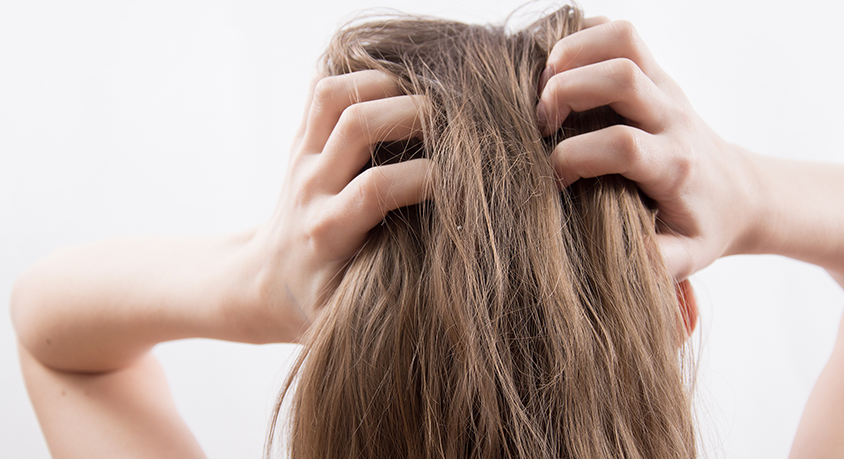
The first step toward a healthier scalp is building a solid foundational cleansing routine. This isn’t just about lathering up and rinsing—it’s about choosing the right products and using them correctly. Start with a sulfate-free shampoo. Sulfates are harsh detergents found in many conventional shampoos that can strip the scalp, so swapping to a sulfate-free option helps preserve the scalp’s natural oils while still removing dirt and excess oil. When washing, focus on massaging the shampoo into the scalp with your fingertips (not your nails) for at least 30 seconds. This gentle massage stimulates blood flow, which supports a healthy scalp, and ensures the product reaches all areas. Be sure to rinse thoroughly—leftover shampoo residue can irritate the scalp and make dandruff worse. How often you wash depends on your hair type, but most people find that washing every other day strikes a good balance between removing excess oil and preserving natural moisture.
In addition to your regular washes, incorporating a weekly deep cleansing step can make a big difference in controlling oil and dandruff. Over time, dead skin cells, product buildup, and excess oil can accumulate on the scalp, even with daily washing. A scalp scrub or exfoliating treatment helps slough off this buildup, allowing your regular shampoo to work more effectively. Look for a scrub with gentle exfoliants like salicylic acid, which dissolves dead skin cells without being too abrasive, or natural ingredients like ground walnut shells for a physical exfoliation. Apply the scrub once a week after wetting your hair, massaging it into the scalp in circular motions, then leave it on for 1–2 minutes before rinsing and following with your regular shampoo. This deep clean helps prevent clogged pores, which can lead to oiliness and flaking, and leaves the scalp feeling refreshed.
Between washes, managing oil and preventing dandruff requires some daily maintenance. For days when your scalp starts to feel oily midday, a dry shampoo can be a lifesaver. Choose one with oil-absorbing ingredients like rice starch or kaolin clay, which soak up excess sebum without drying out the scalp. Hold the bottle 6–8 inches from your head and spray lightly at the roots, then massage it in with your fingertips. Avoid overusing dry shampoo, though—leaving it on for too long can cause buildup. Another daily habit is brushing your hair gently with a boar bristle brush. This type of brush helps distribute the scalp’s natural oils down the hair shaft, preventing oil from pooling at the roots, and also removes loose flakes before they become visible. Finally, pay attention to your diet. Adding more omega-3 rich foods like fatty fish, walnuts, and flaxseeds can help reduce scalp inflammation, while staying hydrated supports overall skin health—including the scalp. Limiting sugary snacks and fried foods may also help reduce excess oil production over time.
It’s important to remember that restoring scalp balance takes time. You might not see results overnight, but with consistent care, most people notice a difference in 2–4 weeks. Be patient and avoid switching products too quickly—your scalp needs time to adjust to new routines. If you’ve tried these steps and still struggle with severe oiliness or dandruff, it could be a sign of an underlying issue, but in most cases, a thoughtful routine that combines gentle cleansing, weekly exfoliation, and daily maintenance is enough to bring your scalp back to a healthy state. After all, a balanced scalp isn’t just about looking good—it’s about feeling comfortable and confident, knowing that your hair is at its healthiest.