Recently, the David (pseudonym) family was enjoying a warm scene in the living room—chatting happily while watching TV, with the red bean soup cooking on the gas stove in the kitchen emitting heat. Little did they know that behind this seemingly cozy scene, a crisis was quietly unfolding.
Two to three hours later, 16-year-old David and his older sister began to experience dizziness, nausea, and vomiting. The family rushed them to the hospital. Initially, they thought it was food poisoning, but the doctor’s examination results shocked them!
Tests showed that the carboxyhemoglobin levels in David’s and his sister’s arterial blood were significantly elevated, reaching 20.9% and 20.5% respectively—nearly four times the normal range. They were ultimately diagnosed with carbon monoxide poisoning.
“Isn’t carbon monoxide poisoning a common winter illness? How could it happen in summer?”
In response to David’s question, the emergency physician, after learning the details, believed it might be related to the pot of boiling red bean soup. Using a gas stove in a confined space reduces oxygen levels, and if the fuel burns incompletely, it can produce large amounts of carbon monoxide, leading to poisoning.
The emergency physician then recommended that the four other family members present also undergo blood tests. Sure enough, two of them had elevated carboxyhemoglobin levels. Fortunately, they received timely treatment and escaped unharmed.
How does carbon monoxide cause poisoning?
Carbon monoxide is colorless, odorless, and tasteless, making it hard to detect. Inhaling too much can lead to tissue hypoxia and poisoning, often “fatal without warning.”
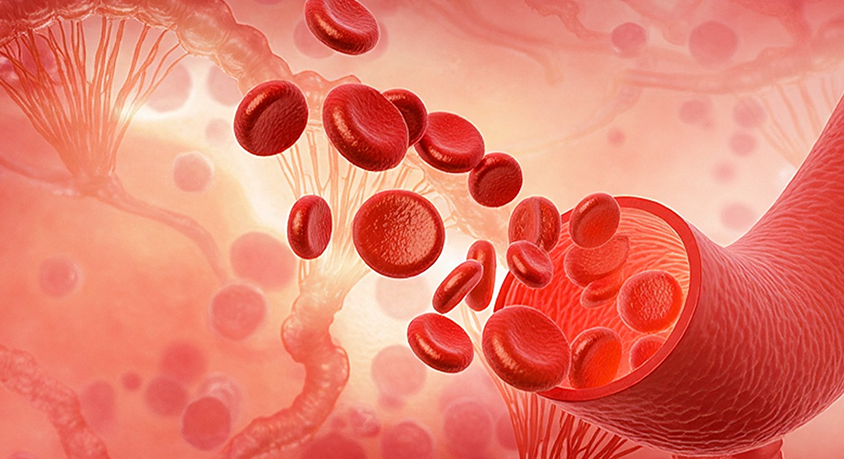
After oxygen enters the body, it binds to hemoglobin in the blood to form oxyhemoglobin. When blood flows through tissues, oxygen separates from oxyhemoglobin and enters the tissues.
However, carbon monoxide binds to hemoglobin 200 to 300 times more strongly than oxygen. Once inhaled, it “pushes oxygen off,” leaving tissue cells without oxygen as blood flows through them, resulting in poisoning.
Which daily scenarios are prone to “triggering” it?
In summer, to escape the heat, people often close windows and turn on air conditioners, neglecting necessary ventilation—unaware of the hidden dangers this creates:
Cooking with gas in a closed room
Cooking in an air-conditioned room can be cooler, but if windows are closed and air does not circulate, it may lead to carbon monoxide poisoning.
Eating charcoal hotpot or barbecue in an air-conditioned room
Charcoal can burn incompletely, producing large amounts of carbon monoxide. Since carbon monoxide is colorless and odorless, poisoning often occurs before self-rescue is possible, making it highly dangerous.
Sleeping in a car with windows closed and the air conditioner on
In summer heat, people are more prone to fatigue and drowsiness. Some long-distance truck drivers, tired, may close windows and sleep in their cars with the air conditioner on—a very dangerous practice.
A car engine continuously running produces carbon monoxide. Without proper ventilation, the gas can enter the cabin through the air conditioner and gaps, and when concentrations rise to a certain level, occupants may suffer carbon monoxide poisoning.
How to respond to carbon monoxide poisoning?
Recognize symptoms and act quickly for on-site rescue
Mild poisoning: Patients may experience severe headache, dizziness, weakness, nausea, vomiting, or mild to moderate consciousness impairment but no coma. Blood carboxyhemoglobin levels exceed 10%.
Moderate poisoning: Patients show shallow coma but recover after rescue with no obvious complications. Blood carboxyhemoglobin levels exceed 30%.
Severe poisoning: Patients are in deep coma or a decorticate state, or experience complications like cerebral edema, shock, severe myocardial damage, pulmonary edema, respiratory failure, upper gastrointestinal bleeding, or pyramidal or extrapyramidal system impairment. Blood carboxyhemoglobin levels exceed 50%.
For carbon monoxide poisoning patients, first move them to fresh air immediately and ensure their airway is clear. Keep them warm and call emergency services promptly.
While waiting for medical help, if the patient’s heart or breathing stops, perform CPR immediately.
Carbon monoxide poisoning’s dangers are not limited to acute symptoms; some patients may develop delayed encephalopathy.
“Some patients recover consciousness shortly after poisoning and seem to return to normal. However, after a ‘false recovery period,’ they may suddenly experience memory loss, disorientation, language impairment, personality or behavioral changes, or even motor dysfunction.” Patients over 40, with a history of coma, or with prolonged exposure are at higher risk.
A reminder: While enjoying the coolness of air conditioning, prioritize safety. Ventilate rooms regularly, avoid using gas stoves or eating hotpot in sealed air-conditioned spaces, and learn emergency response for carbon monoxide poisoning. If others are poisoned, act immediately—do not delay.