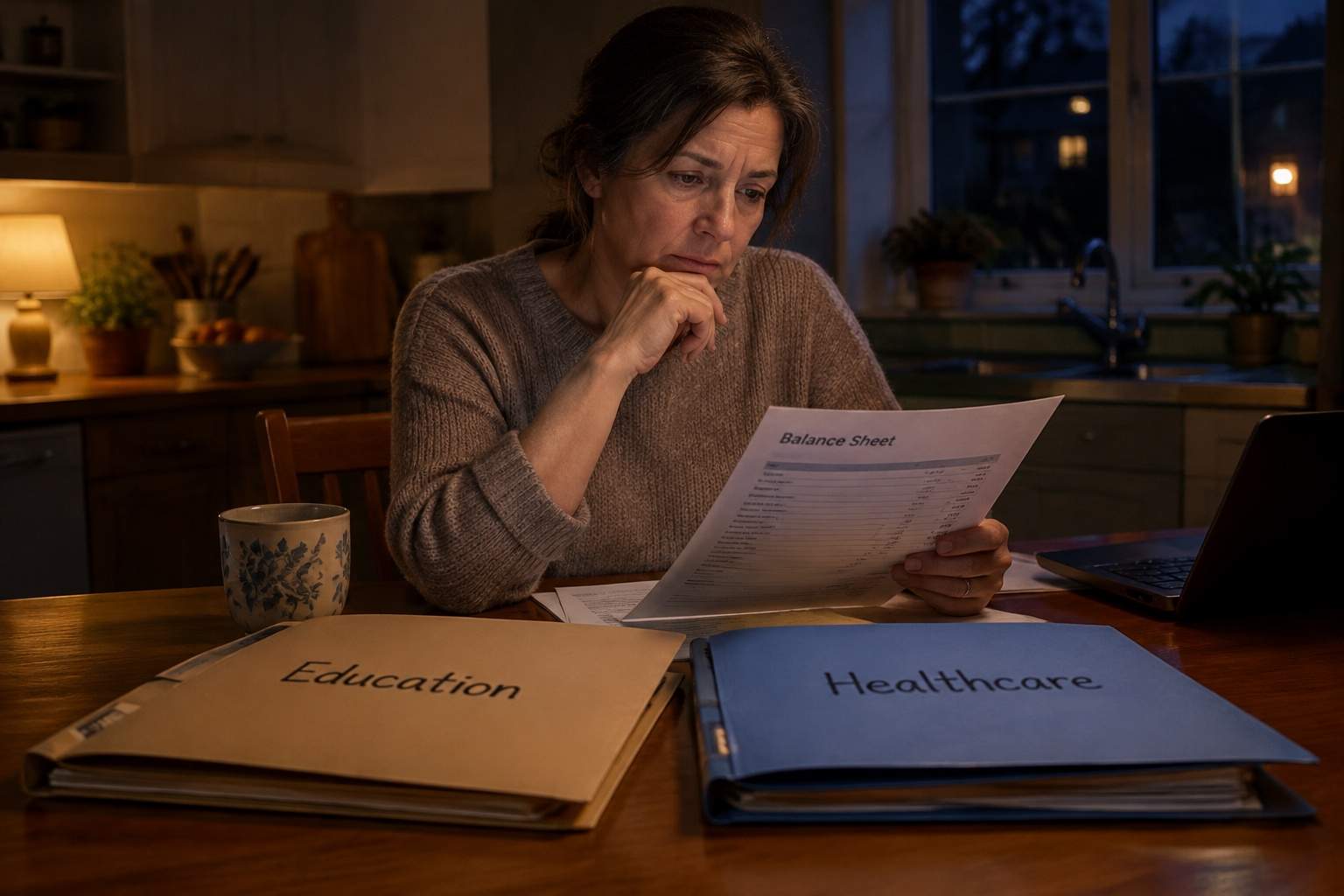
For singles, individuals without children, and dual-income no-kid (DINK) couples, the financial landscape offers unique advantages—chief among them, the absence of long-term child-rearing costs, from education to healthcare to daily expenses. This freedom from one of life’s largest financial burdens opens doors to strategies that prioritize speedier wealth building, earlier retirement, and intentional lifestyle design. Unlike households balancing saving for college funds or childcare, these groups can align their finances more tightly with personal goals, whether that means retiring in their 40s, investing in high-growth assets, or designing a life of flexibility. Yet with opportunity comes responsibility: maximizing this advantage requires intentionality, as there’s no safety net of shared costs or future support to fall back on.
The cornerstone of financial strategy for these groups lies in their enhanced risk tolerance, a byproduct of lower long-term obligations. Without the need to prioritize stability for dependents, singles and DINKs can often allocate a larger portion of their portfolios to growth-oriented assets, such as equities, index funds, or even alternative investments like real estate or private equity. Historical data shows that over long periods, stocks have outperformed bonds and cash—with the S&P 500 averaging roughly 7-10% annual returns over the past century, adjusted for inflation. A DINK couple earning $150,000 annually, saving 30% ($45,000) and allocating 80% of savings to equities, could potentially build a $1.5 million portfolio in 15 years, assuming a 7% average return. This is significantly faster than a household with children, which might cap equity exposure at 60% to balance risk. That said, higher risk demands vigilance: market downturns can erode value sharply, so diversification—even within growth assets—and a robust emergency fund (typically 6-12 months of expenses, higher than the 3-6 months recommended for those with shared costs) remain critical.
Early retirement, a cornerstone of the FIRE (Financial Independence, Retire Early) movement, is often more achievable for these groups, thanks to lower “number” required to fund retirement. The 4% rule—a common guideline suggesting retirees can withdraw 4% of their portfolio annually without depleting it—works differently when there’s no need to budget for children’s expenses. A single person spending $40,000 annually might need a $1 million portfolio, while a family of four with the same income but additional $20,000 in child costs would need $1.5 million. This math accelerates the timeline: a single professional saving $30,000 annually could reach $1 million in under 20 years with average market returns, versus 25+ years for a family with dependents. To capitalize, many focus on “front-loading” savings in their 20s and 30s, when income growth is strongest, and leveraging tax-advantaged accounts like 401(k)s and Roth IRAs to minimize taxes on growth. Some also adopt “barista FIRE” models, stepping back from full-time work in their 40s to take part-time roles that cover basic expenses, letting investments compound further.

Lifestyle design—crafting a life that aligns with values rather than societal norms—often goes hand in hand with financial strategy for these groups. Without the need to prioritize school districts or family-friendly neighborhoods, housing choices become more flexible: renting in high-cost cities for career opportunities, or buying in low-cost areas to free up cash for investments. A single professional might opt for a smaller apartment in a city with high earning potential, channeling the savings into stocks, while a DINK couple could downsize to a condo, eliminating mortgage costs entirely by their 40s. This flexibility extends to earning: many leverage remote work to live in low-cost countries part-time, reducing expenses by 30-50% while maintaining urban-level incomes. Such choices aren’t just about frugality; they’re about redirecting resources to what matters—whether that’s travel, hobbies, or philanthropy. As author Vicki Robin, co-creator of “Your Money or Your Life,” notes, “Financial freedom isn’t about having more; it’s about needing less to live a life you love.”
Yet these strategies come with unique risks, particularly around longevity and healthcare. Without children to potentially provide support in old age, planning for long-term care becomes non-negotiable. This might mean investing in long-term care insurance, prioritizing health savings accounts (HSAs)—which offer triple tax benefits for healthcare expenses—and structuring retirement to include passive income streams that outlast market cycles, such as rental properties or dividend stocks. There’s also the risk of isolation: while flexibility is a plus, over-prioritizing savings can lead to a life stripped of joy. Balancing frugality with “experiential spending”—investing in travel, education, or relationships—ensures that financial freedom serves quality of life, not the other way around.
For singles and DINKs, the path to financial freedom is less about overcoming obstacles and more about seizing advantages. By leaning into higher growth investments, accelerating retirement timelines, and designing a life unbound by traditional norms, these groups can turn their lack of dependents into a catalyst for wealth. Yet success hinges on balance: embracing risk without recklessness, saving aggressively without sacrificing today, and planning for a future that, by design, is entirely their own. In the end, the goal isn’t just to retire early or accumulate wealth—it’s to build a life where money serves as a tool, not a constraint.