In the corner of many kitchens, bedrooms, and medicine cabinets, a quiet revolution is unfolding. Where once we relied solely on quarterly doctor’s visits to gauge our health, now small devices—blood pressure monitors, glucose meters, oximeters—sit ready to deliver data at a touch. This shift, from passive patient to active health tracker, reflects a deeper cultural current: our desire to decode our bodies, to turn the abstract “how do I feel?” into concrete numbers. But these devices, for all their promise, are only as useful as our ability to use them correctly and interpret their findings. A number without context is just a digit; understanding its story is where true self-care begins.
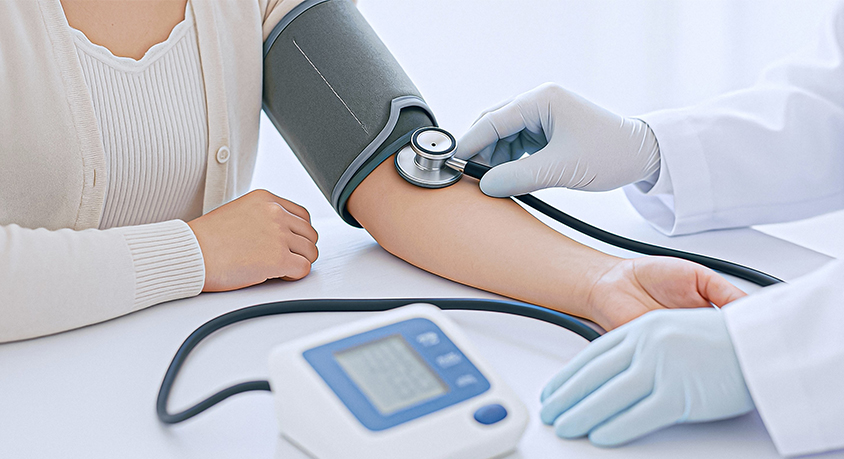
Let’s start with the blood pressure monitor, that familiar device with a cuff that wraps around the arm like a gentle hug. Its numbers—systolic over diastolic, like a heartbeat’s rhythm—speak to the force of blood against artery walls. But getting an accurate reading is a ritual, one that mirrors how we approach many aspects of health: attention to detail matters. The cuff, first, must fit—too loose and the reading will be artificially high; too tight, and it becomes a source of unnecessary stress, which itself raises pressure. Most adults need a standard or large cuff; measure your arm circumference (midway between shoulder and elbow) to choose correctly. Timing is another layer: measure in the morning, before coffee or breakfast, when the body is in a resting state. Sit quietly for five minutes first, feet flat on the floor, arm supported at heart level—crossing legs or slouching can skew results. Even the act of talking during the reading introduces noise, a reminder that our bodies are not machines but living, breathing entities affected by every breath and thought. The numbers themselves: a normal range is below 120/80 mmHg. A consistent 130/80 or higher signals hypertension, often called “the silent killer” because it rarely announces itself with symptoms. But a single high reading isn’t a diagnosis—it’s a note to repeat, to check again, to see if it lingers like an uninvited guest.
Next, the glucose meter, a small device that turns a drop of blood into a window into how our bodies process energy. For those managing diabetes or prediabetes, it’s a daily companion, but its use carries cultural weight: it bridges the gap between what we eat and how we feel, making visible the invisible work of metabolism. Using it requires a steady hand and respect for precision. Wash hands with warm water (soap is fine, but avoid alcohol-based sanitizers right before—they can alter results) and dry thoroughly. The lancing device, that tiny tool that pricks the finger, works best on the side of the fingertip, where nerve endings are fewer and blood flows easily. Squeeze gently, don’t milk the finger—forceful pressure can dilute the blood with tissue fluid, leading to a falsely low reading. The test strip, exposed to air or moisture, loses its accuracy, so keep them sealed in their vial. Normal fasting glucose (after 8 hours without food) is 70–99 mg/dL; readings above 100 may signal prediabetes, a condition that, like a warning light, invites lifestyle changes. Post-meal readings, taken two hours after eating, should stay below 140 mg/dL. These numbers are not judgments but guideposts: a spike after a slice of cake is expected, but a consistent failure to return to normal tells a story of insulin struggling to do its job.
Then there’s the oximeter, that clip-like device that glows red as it measures oxygen saturation in the blood. Its rise in popularity during recent years mirrored a collective anxiety about breathing, a reminder that oxygen—life’s most basic need—is often taken for granted until its absence looms. Using it is simple, but not mindless: clip it to a fingertip (avoid nail polish, which blocks the light), keep the hand still, and wait for the beep. Normal oxygen levels are 95–100%; levels below 92% warrant attention, though altitude or even cold fingers (which constrict blood vessels) can lower readings temporarily. What matters is the trend: a sudden drop from 98% to 93% is more concerning than a steady 94% in someone with chronic lung issues. It’s a device that teaches us about thresholds—when “normal” shifts, when a number stops being a statistic and becomes a call to check in with our bodies.
Understanding when to seek help turns these numbers into action. For blood pressure, a reading over 180/120, especially with chest pain or headache, is an emergency. For glucose, a reading below 70 with shakiness or confusion (hypoglycemia) or consistently over 250 (hyperglycemia) demands immediate care. For oxygen, levels below 90% (and staying there) mean a call to the doctor. These thresholds are not arbitrary—they’re the result of decades of collective observation, of doctors and patients learning together what constitutes a “red flag.”
Consider Maria, a 62-year-old grandmother who began monitoring her blood pressure after her sister’s stroke. At first, she found the numbers confusing, even intimidating. But over time, she noticed patterns: a salty meal the night before meant a higher reading; a walk after dinner, a lower one. “It’s like my body is talking to me,” she told me. “I don’t just see numbers now—I see what helps, what hurts.” That’s the true power of these devices: they transform health from an abstract concept into a conversation, one where we learn to listen as much as we measure.
In a world that often reduces health to metrics, these monitors remind us that data is a tool, not a master. They reflect our cultural shift toward agency—taking ownership of our well-being while still leaning on experts when needed. Used with care, they become bridges between the mystery of our bodies and the clarity of understanding. After all, health is not just about numbers; it’s about knowing what they mean, and how to act on their stories.