In the quiet moments between heartbeats, a small device tucked beneath the skin keeps time—a silent partner in the rhythm of life. Pacemakers and implantable cardioverter-defibrillators (ICDs) are marvels of modern medicine, merging technology with biology to steady erratic hearts. Yet for those who carry these devices, daily life becomes a dance between gratitude for their function and curiosity about its limits: Can I get an MRI? Will my phone interfere? These questions, rooted in a desire to live fully while honoring the technology keeping them alive, reveal a deeper truth: our relationship with medical devices is as much about trust as it is about technical specifications. Today, as these devices grow more advanced, the boundaries between “patient” and “person” blur, offering lessons in how we adapt to life with technology woven into our bodies.
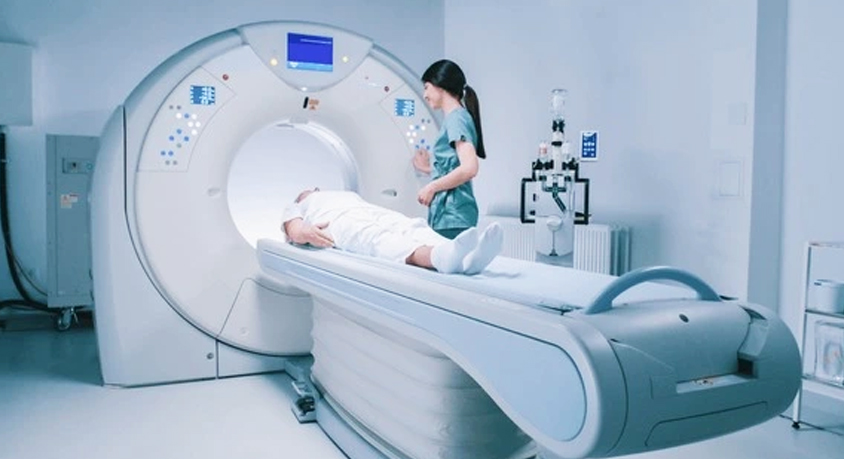
Let’s begin with a common fear: MRI scans. For years, the powerful magnets in MRI machines were considered off-limits for pacemaker and ICD users, a restriction that could delay crucial diagnostic tests. But cultural attitudes—and technology—have shifted. Over 85% of pacemakers and ICDs implanted in the U.S. today are labeled “MRI conditional,” meaning they can safely undergo MRI scans under specific conditions, according to 2024 data from the Food and Drug Administration (FDA). The key lies in the device’s design: newer models use materials that resist magnetic interference and software that temporarily adjusts pacing during the scan. Yet “conditional” is not a free pass. It requires checking the device’s model number (often found on a card provided after implantation) and sharing it with the medical team. A 2023 study in the Journal of Cardiovascular Electrophysiology found that 90% of MRI-related complications in device users stemmed from incomplete communication about the device’s capabilities, not the scan itself. This underscores a larger cultural shift: responsibility for health now shared between patient and provider, with knowledge acting as the bridge.
Electromagnetic interference (EMI) is another concern, woven into the fabric of a world pulsing with invisible energy. From microwave ovens to airport security scanners, we live surrounded by fields that can, in rare cases, disrupt a device’s function. But fear of EMI often outweighs the actual risk, a disparity rooted in our discomfort with invisible threats. Modern devices are rigorously tested to withstand everyday electronics: a phone held 15 centimeters (about 6 inches) from the device is safe, as is a microwave used at a normal distance. The real risks lie in stronger fields: industrial magnets, certain power tools, or unshielded transformers. Even then, the danger is not in proximity alone but in duration—brief exposure is rarely harmful. Airport security offers a telling example: metal detectors are safe, but the hand-held wands should be kept 15 centimeters from the device for no more than 10 seconds. Most users carry a medical alert card or ID, not just to inform others but to ease their own anxiety—a tangible reminder that preparation fosters confidence.
Daily life with these devices is less about restriction and more about awareness, as many users discover. Take Raj, a 68-year-old retired teacher with an ICD, who initially feared returning to his woodworking hobby. “I worried my drill would throw off the device,” he recalls. After consulting his cardiologist, he learned that keeping power tools 30 centimeters away was sufficient. “Now I think of it like adjusting to a new pair of glasses—once you learn the boundaries, you barely notice them.” His story reflects a broader pattern: studies show that within six months of implantation, 80% of users report resuming all their pre-device activities, from hiking to hugging grandchildren. The devices, once seen as limitations, become extensions of their resilience.
Caring for these devices also involves tending to the body that houses them. The area around the implantation site—usually just below the collarbone—requires gentle care: avoiding heavy lifting for the first 4–6 weeks to let tissues heal, watching for signs of infection like redness or swelling. Yet these physical considerations pale beside the emotional ones. Many users describe a period of adjustment, not just to the device, but to the new identity of “someone with a heart device.” Support groups, both in-person and online, offer spaces to process this shift, turning isolation into community. “It’s not just about the technology,” says Elena, who received a pacemaker at 45. “It’s about realizing you’re still you—just with a little help.”
As technology advances, the future of these devices grows more integrated with daily life: smaller sizes, longer battery lives, and even remote monitoring that lets doctors check device function without an office visit. This evolution mirrors our changing relationship with technology itself—from something we use to something we live with. For those with pacemakers and ICDs, each heartbeat is a reminder of this partnership: between flesh and metal, between caution and courage, between the fragility of life and the strength to embrace it fully.