Last month, a close friend called me, voice shaky, to talk about her upcoming colonoscopy. “They’re putting a tube down on me with a camera?” she said. “It sounds like something out of a movie—and not a good one.” I get her fear: the word “endoscope” conjures up images of discomfort and medical intensity, even for people who trust their doctors. But what most of us don’t realize is that these tiny, camera-equipped tools are among the most patient-friendly innovations in modern medicine. They let doctors see inside the body, diagnose issues, and even perform small surgeries—all without the large incisions, long hospital stays, or painful recoveries of traditional operations. The anxiety comes from the unknown; once you understand how endoscopes work, and what to expect before, during, and after, that fear starts to fade.
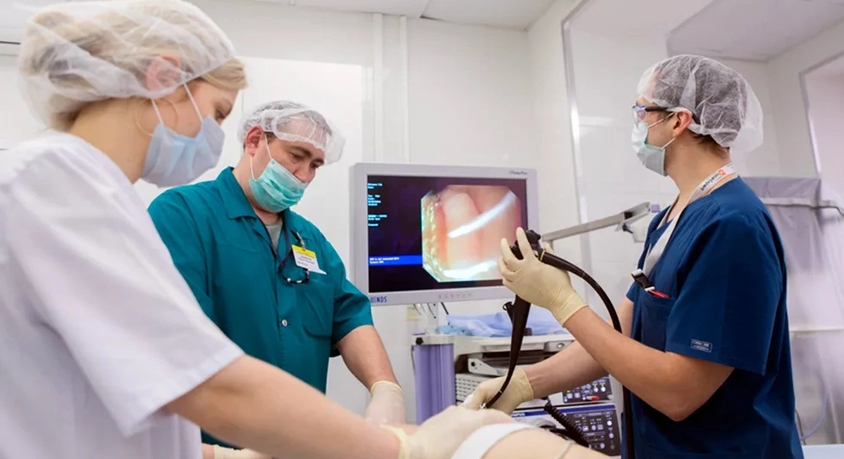
An endoscope is, at its core, a thin, flexible tube (about the width of a pencil, in most cases) with two key features: a tiny camera and a light at the tip, and sometimes small channels for tools (like forceps to take tissue samples or small scissors to remove growths). The camera sends real-time images to a monitor, letting doctors examine hard-to-reach areas without cutting into the body. This simplicity is what makes endoscopes revolutionary—they turn “exploratory surgery” (which can take hours and require weeks of recovery) into a procedure that often takes 30 minutes to an hour, with most people going home the same day. A 2023 study from the American College of Gastroenterology found that endoscopes are 95% accurate in diagnosing upper gastrointestinal issues (like ulcers or inflammation) —a rate far higher than X-rays or CT scans alone—because they let doctors see tissue up close, not just shadows.
Take gastroscopes and colonoscopes, the most common types. A gastroscope travels down the throat to examine the esophagus, stomach, and small intestine, while a colonoscope goes through the rectum to check the large intestine. Both are used for more than just looking: during a colonoscopy, for example, doctors can remove small polyps (growths that might become cancerous) on the spot—meaning a single procedure can both diagnose and prevent a serious disease. My colleague Mike had this experience last year. He was nervous about his first colonoscopy at 45, but he went because his dad had colon cancer. “They found a tiny polyp, took it out right then, and told me I didn’t need more treatment,” he said. “If I’d skipped it, who knows how that would have turned out? The procedure itself was nothing—they gave me sedation, I napped through it, and I was eating a sandwich an hour later.” That’s the power of these tools: they turn a scary “checkup” into a proactive step toward staying healthy.
Bronchoscopes, which are designed to look inside the airways (trachea, bronchi, and lungs), work similarly but target respiratory issues. If someone has a persistent cough, blood in their mucus, or an abnormal chest X-ray, a bronchoscope can help doctors see if there’s inflammation, blockages, or even signs of infection. Unlike more invasive tests that require inserting a needle into the chest, a bronchoscope is passed through the nose or mouth, often with mild sedation. A neighbor of mine, Linda, had a bronchoscopy last spring after months of coughing. “I was terrified it would hurt, but I barely felt anything,” she said. “They found a small blockage from scar tissue, cleared it with a tiny tool, and my cough was gone in a week. I thought I’d need surgery, but it was over in 45 minutes.” Bronchoscopes also let doctors take small tissue samples (biopsies) without major incisions, making diagnosis faster and less stressful.
Then there are arthroscopes, used for joints like the knee, shoulder, and ankle—areas where traditional surgery can be especially disruptive. An arthroscope is inserted through a small incision (usually less than half an inch) near the joint, and the camera lets doctors see tears in ligaments, damaged cartilage, or inflamed tissue. The real advantage? They can fix many issues during the same procedure: for a torn meniscus (a common knee injury), doctors use tiny tools through the arthroscope to trim or repair the tissue, instead of opening the knee fully. Research from the American Academy of Orthopaedic Surgeons shows that arthroscopic knee surgery has a recovery time of 2-3 weeks for minor tears, compared to 6-8 weeks for open surgery—and patients report less pain during recovery. My brother-in-law had this done after a basketball injury. “I was worried I’d miss my kid’s soccer season,” he said. “But I was walking normally in two weeks, and coaching again a month later. It didn’t feel like ‘surgery’ at all.”
Of course, knowing what to expect before and after an endoscopy helps ease anxiety. For most procedures, preparation is simple: fasting for 6-12 hours (to clear the area being examined), avoiding certain drinks, and sometimes taking a mild laxative (for colonoscopies). During the procedure, you’ll get sedation—enough to keep you comfortable and relaxed, but not necessarily fully asleep. Afterward, you might feel mild bloating (from air used to expand the area for better visibility) or a sore throat (from a gastroscope or bronchoscope), but these fade within a day. Doctors will give you specific instructions—like eating soft foods for a day or avoiding strenuous activity—but most people return to normal routines within 24 hours.
The biggest myth about endoscopes is that they’re “scary” or “painful.” The reality is that they’re designed to make medical care less traumatic, not more. They let doctors catch issues early, fix problems without big surgery, and get patients back to their lives faster.