Last winter, I spent a week visiting a friend in the hospital after he’d been admitted for a severe COPD flare-up. Walking into his room, the first thing I noticed was the small machine next to his bed—quietly humming, connected to a mask over his nose. “It’s a ventilator,” he said, noticing my gaze. “I thought these were only for people on life support, but turns out it’s just helping me breathe easier so my lungs can rest.” That moment shifted how I thought about ventilators. For most of us, the word brings to mind ICU rooms and emergency situations—but the truth is, ventilators have evolved far beyond critical care. They’re now helping millions of people with chronic respiratory conditions live at home, stay out of hospitals, and hold onto the small joys of daily life.
To understand why ventilator popularization matters, we first need to demystify how they work. At their core, ventilators are not “replacing” the lungs—they’re “assisting” them. When a person’s lungs can’t move air efficiently (due to conditions like COPD, muscular dystrophy, or sleep apnea-related complications), a ventilator delivers a controlled flow of air (or air mixed with oxygen) to help expand the lungs during inhalation and, in some cases, gently push air out during exhalation. The difference between ICU ventilators and home models is like the difference between a race car and a family sedan: ICU versions are built for emergencies, with advanced settings to support unconscious patients, while home ventilators are smaller, quieter, and designed for non-invasive use (usually via a face mask, not a tube down the throat). This distinction is key to popularization—home ventilators aren’t “scary” or “extreme”; they’re a way to turn hospital-level care into something manageable in daily life.
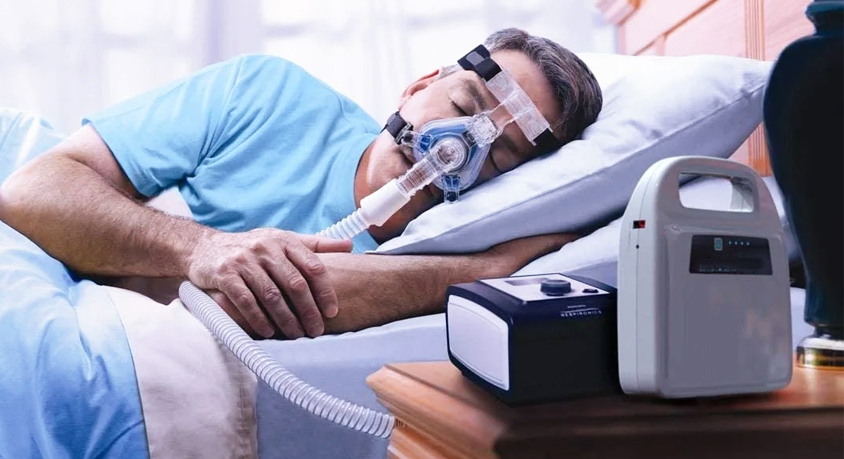
The need for better ventilator access is rooted in hard data. The American Lung Association reports that over 16 million adults in the U.S. live with COPD, and an additional 3.3 million have neuromuscular disorders (like ALS) that weaken the muscles needed for breathing. Of these, an estimated 10-15% require long-term respiratory support—and until recently, many of them had no choice but to rely on frequent hospital stays. A 2022 study published in the Journal of Respiratory Care found that patients with COPD who used home ventilators saw a 40% reduction in hospital admissions and a 25% improvement in quality of life scores compared to those who only used oxygen tanks. For context, a single COPD hospital stay costs an average of $15,000; home ventilators, when covered by insurance, can cut that burden dramatically—for both patients and the healthcare system.
Take the example of Mr. Carter, a 68-year-old retired teacher I met through my friend’s support group. Before getting a home ventilator, he’d been admitted to the hospital four times in a year, each time struggling to catch his breath even with oxygen. “I thought I’d have to move to a nursing home,” he told me. “I couldn’t walk to the mailbox without stopping, and I missed my grandson’s soccer games because I was too tired.” His doctor recommended a non-invasive home ventilator, and within three months, his energy returned. “Now I go to every game,” he said. “The machine’s just part of the routine—like putting on my glasses. I don’t even notice it anymore, except when I remember how bad it was before.” Mr. Carter’s story isn’t unique—it’s the kind of change that becomes possible when ventilators are seen as a “quality of life” tool, not just an emergency measure.
Despite this, barriers to ventilator popularization remain. One of the biggest is public misunderstanding: a 2023 survey by the National Center for Respiratory Health found that 62% of adults associate ventilators only with “end-of-life care,” and 45% believe home ventilators are “too complicated to use.” In reality, modern home models come with user-friendly interfaces, automated safety features, and training from healthcare providers to help patients and caregivers feel confident. Another barrier is access: while most private insurance and Medicare now cover home ventilators for eligible patients, 18% of low-income patients report delays in getting approved, often due to paperwork or prior authorization hurdles. This gap means some people wait until their condition worsens—ending up in the hospital—before getting the support they need.
The good news is that progress is being made. Hospitals are increasingly referring stable patients to home ventilator programs, and manufacturers are developing smaller, more portable models that fit into daily life (some weigh less than 10 pounds, easy to take on trips). For individuals, the first step toward understanding ventilator access is simple: if you or a loved one has a chronic respiratory condition, ask your doctor about long-term respiratory support options. Don’t assume ventilators are only for emergencies—they might be the key to staying out of the hospital and living more fully.
When my friend was discharged from the hospital, he brought home a small ventilator. A month later, he invited me over for dinner. As we sat on his porch, he laughed and said, “Last year, I couldn’t even cook without getting winded. Now I made this pasta myself.” The ventilator was on a side table, quiet enough that I almost forgot it was there.