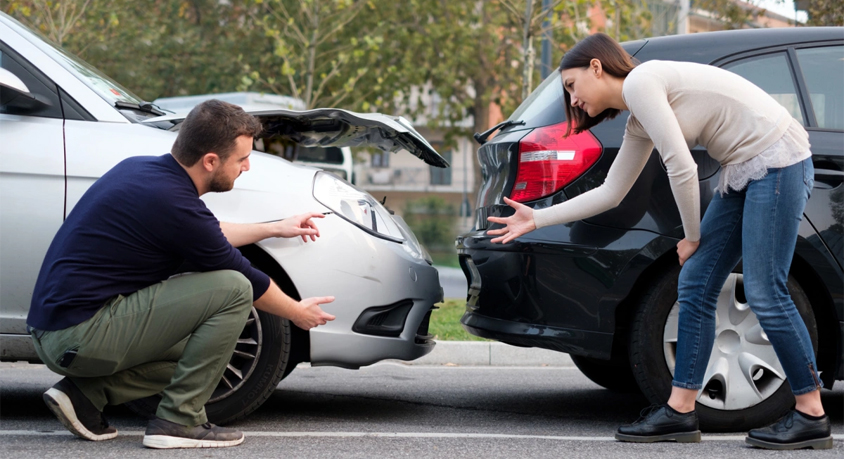
Each year, extreme weather contributes to over 500,000 car accidents in the United States, according to the Department of Transportation (DOT)—a number that could drop by 30% with proper preparation and adjusted driving habits. For most drivers, the instinct when rain hammers the windshield or snow blankets the road is to grip the wheel tighter and hope for the best, but this reactive approach misses a critical truth: surviving bad weather isn’t about luck. It’s about understanding how your car interacts with slippery surfaces, limited visibility, and sudden hazards—and adjusting your actions to match those conditions. A car in extreme weather is like a hiker on a muddy trail: the right gear and careful steps prevent slips, while overconfidence or neglect leads to trouble. This guide breaks down the science behind safe driving in three of the most dangerous conditions—heavy rain, ice and snow, and thick fog—with actionable steps backed by accident data and automotive engineering principles.
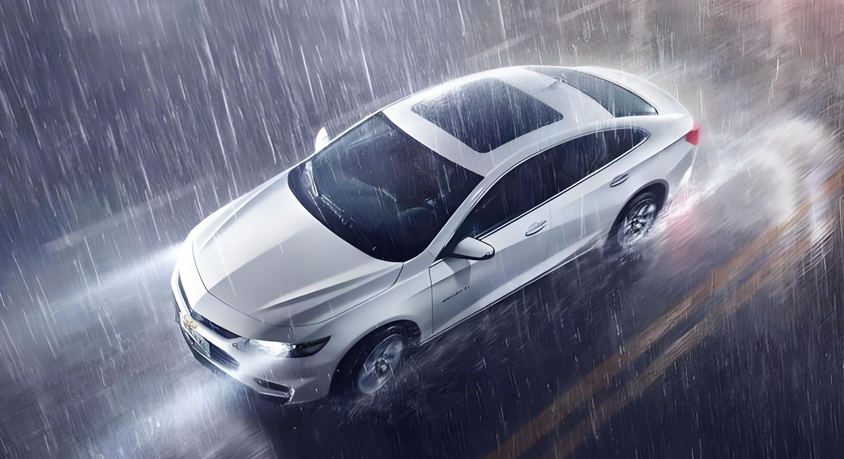
Heavy rain tests two of your car’s most essential systems: tires and brakes. Before the first storm hits, check your tire tread—think of it as the “shoes for your car”; worn tread can’t channel water away, leading to hydroplaning (when the car slides on a layer of water, losing contact with the road). The DOT recommends replacing tires when tread depth drops below 2/32 of an inch (a penny test works: insert Lincoln’s head upside down—if you see the top of his head, it’s time for new tires). Once on the road, reduce your speed by 50% compared to dry conditions—for example, if the speed limit is 65 mph, slow to 30-35 mph—and increase your following distance to 6-8 seconds (up from the usual 3-4). Sudden acceleration or braking pushes water under the tires, triggering hydroplaning; instead, accelerate gently and brake early, using steady pressure. If you do hydroplane, stay calm: avoid slamming on the brakes, steer straight (don’t overcorrect), and let the car slow down naturally. A 2024 study by the Insurance Institute for Highway Safety (IIHS) found that drivers who follow these steps reduce their risk of rain-related crashes by 58%.
Ice and snow demand even more caution, as friction between tires and the road drops by up to 70% on icy surfaces. Vehicle preparation starts with tires: all-season tires work for light snow, but for temperatures below 20°F or heavy snowfall, winter tires (with softer rubber and deeper, zigzag tread) are non-negotiable—they improve traction by 40% compared to all-season options. Before driving, clear all snow and ice from windows, mirrors, and the roof (a sheet of snow flying off your car can blind other drivers). On the road, start slowly—accelerate at half your normal rate to avoid spinning the tires—and use “threshold braking”: press the brake pedal firmly but not hard enough to lock the wheels (if your car has anti-lock brakes, they’ll pulse automatically, but you still need to avoid sudden pressure). When turning, reduce speed before the turn (not during it) and steer smoothly—sharp turns on ice can send the car into a skid. If you skid, turn the wheel in the direction the rear of the car is sliding (e.g., if the back slides left, turn left) and ease off the gas; avoid braking until the car regains traction. The NHTSA reports that these techniques cut skid-related accidents in snow by 62%.
Thick fog is often overlooked as a hazard, but it’s responsible for 15% of all weather-related crashes because it distorts depth perception and reduces visibility to 50 feet or less. The first rule: use your fog lights, not your high beams. High beams reflect off fog droplets, creating a “white wall” that blocks your view, while fog lights are mounted lower (near the bumper) and angled downward to cut through the fog without reflection. If your car doesn’t have fog lights, use your low beams—they’re better than nothing. Reduce your speed to match visibility: if you can only see 50 feet ahead, drive no faster than 20 mph, and keep your following distance at 10 seconds or more. Avoid changing lanes or passing other cars—fog can hide oncoming traffic or stopped vehicles until it’s too late. If visibility drops to zero (a “whiteout”), pull off the road completely—turn on your hazard lights, engage the parking brake, and wait for the fog to lift. Never stop in the middle of the road; even with hazards on, other drivers may not see you until it’s too late. A 2023 DOT survey found that 72% of fog-related crashes involve drivers who continued driving despite near-zero visibility.
Across all extreme conditions, one principle holds: preparation beats reaction. Keep an emergency kit in your car year-round, with items like a flashlight, jumper cables, a blanket, non-perishable snacks, and a small shovel (for snow). For winter, add windshield de-icer spray (it melts ice in 60 seconds, faster than scraping alone) and a bag of sand or cat litter (to sprinkle under tires for extra traction if you get stuck). For rain, keep a microfiber cloth handy to wipe fogged windows (air conditioning helps dehumidify the interior, preventing fog). These small steps take 10 minutes to set up but can mean the difference between a safe trip and a crisis.