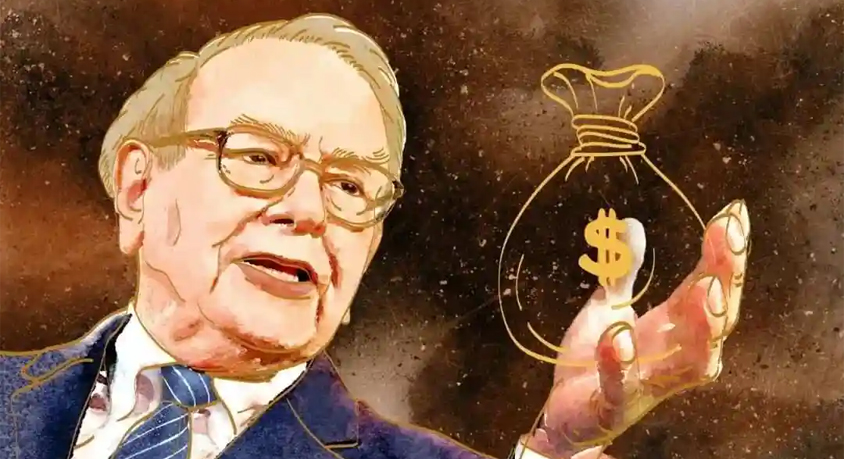
When most people imagine billionaires, they picture private jets, designer wardrobes, and opulent mansions. But the reality for many top high-net-worth individuals is far more mundane—and far more intentional. Warren Buffett, with a net worth of $120 billion, still lives in the Omaha house he bought in 1958 for $31,500 (adjusted for inflation, about $320,000 today) and stops at McDonald’s most mornings for a $3 breakfast (sausage biscuit, no cheese). Mark Zuckerberg, worth $118 billion, wears the same style of gray t-shirt and jeans nearly every day, not out of laziness, but to eliminate “decision fatigue” around trivial choices. These habits aren’t signs of stinginess—they’re part of a deliberate strategy: spend minimally on “consumable” goods that don’t create long-term value, and invest heavily in areas that do: knowledge, experiences, and assets that grow over time. The Federal Reserve’s Survey of Consumer Finances highlights this contrast: the top 1% of earners spend 3x more on education and skill-building than the average household, but 40% less on clothing and 25% less on dining out. To understand this mindset, we need to unpack the “cheap” habits of billionaires—and the logic behind their seemingly contradictory spending.
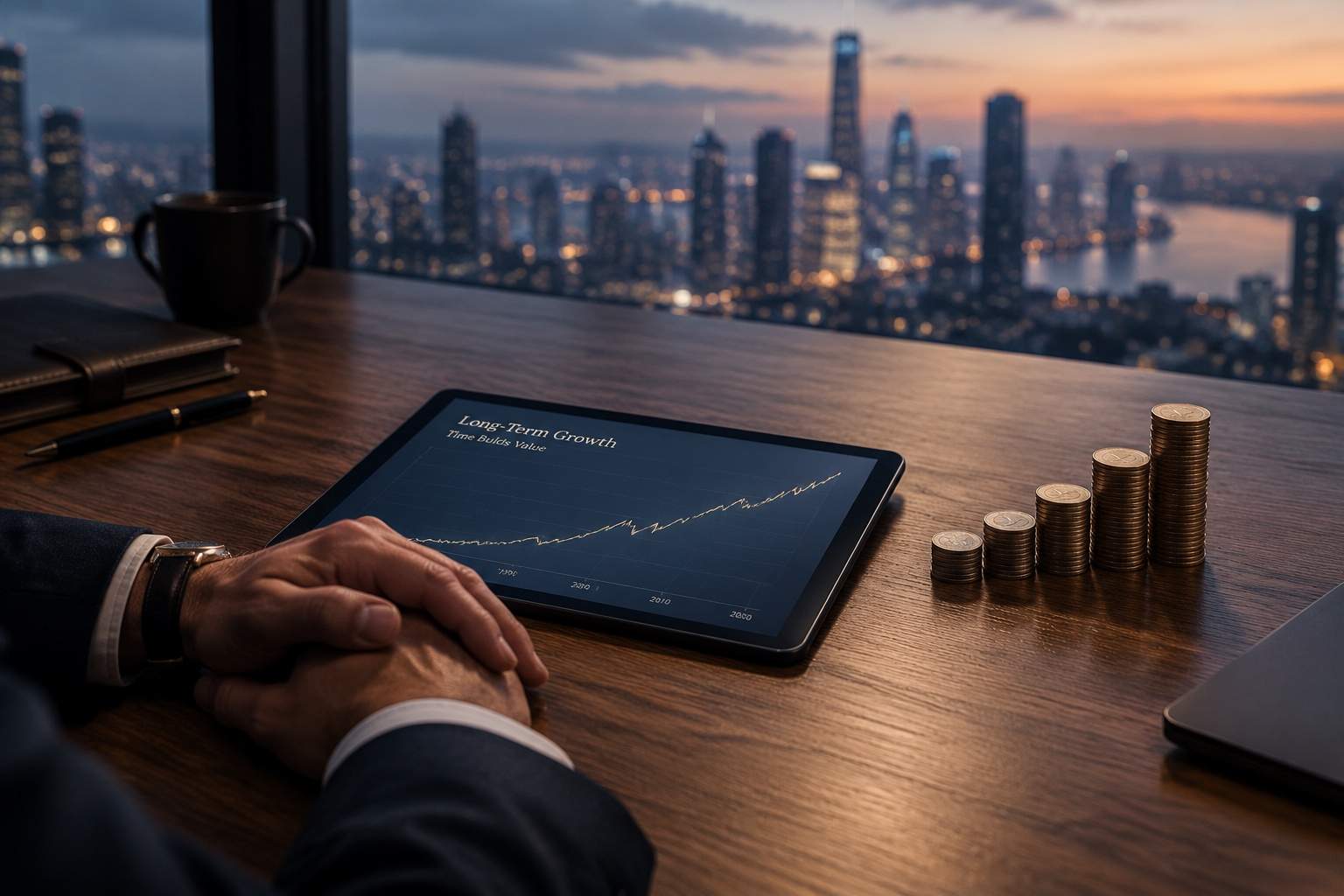
Buffett’s approach to housing and daily expenses is a masterclass in avoiding “lifestyle inflation”—the tendency to spend more as income rises. He could buy a $100 million mansion, but he chooses not to because a larger house wouldn’t improve his quality of life or his ability to generate wealth. Instead, he redirects that potential spending to investments (his company, Berkshire Hathaway) and knowledge. Buffett reads 500 pages of books and financial reports daily—a “costly” habit in time, but one that has shaped his investment decisions for decades. He once said, “The more you learn, the more you earn,” and his spending reflects that: he invests in learning, not status. This contrast is intentional: consumable goods (like a fancy car or a big house) depreciate or lose value over time; knowledge compounds, just like investments. Even when Buffett does spend on experiences, they’re tied to growth: he’s known to pay for dinners with aspiring investors (via charity auctions, where bids have reached $4.5 million) because he sees the exchange of ideas as a valuable investment, not a luxury.
Zuckerberg’s “uniform” of gray t-shirts and jeans reveals another billionaire habit: eliminating trivial spending decisions. He has explained that choosing clothes each morning wastes mental energy—energy he’d rather spend on running Meta or solving complex tech problems. This isn’t about being cheap; it’s about prioritizing cognitive resources. The same logic applies to other areas: Zuckerberg spends little on material goods but has invested millions in language learning (he famously studied Mandarin to communicate with his wife’s family) and leadership development. He also prioritizes experience over possessions: he’s been spotted taking his family on hiking trips and visiting national parks—low-cost experiences that build relationships, over expensive vacations that serve only as status symbols. This aligns with research from Harvard Business School, which found that experiences create more long-term happiness than material goods— a truth billionaires seem to understand better than most.
Other billionaires follow similar patterns. Elon Musk, worth $250 billion, has said he owns just a few pairs of shoes and sleeps in small apartments near Tesla factories to save time. He once sold his $17 million Los Angeles mansion, explaining that “possessions weigh you down.” Instead, he invests in his companies (Tesla, SpaceX) and innovation—areas that drive long-term value. Jeff Bezos, founder of Amazon, lived in a small Seattle apartment while building the company and still eats simple lunches (often a salad) at his desk. Yet he’s spent billions on Blue Origin (his space exploration company) and The Washington Post (a platform for information and ideas)—investments he sees as contributing to future growth, not just personal enjoyment.
The key takeaway here isn’t that everyday people should stop buying nice clothes or move into small houses. It’s that billionaires’ “cheap” habits are rooted in a clear value system: they spend money on things that create, compound, or preserve value (knowledge, experiences, assets) and avoid spending on things that don’t (status symbols, trivial luxuries). For most of us, this means rethinking our own spending: instead of buying a new phone every year (a consumable that depreciates), could we invest that money in a course to learn a new skill? Instead of dining out 4 nights a week (a short-term pleasure), could we save that money for a family trip that builds memories? These choices aren’t about being “cheap”—they’re about aligning spending with what matters most.
Billionaires don’t hide their “cheap” habits to be mysterious; they hide them because the habits themselves aren’t important—the logic behind them is. The real lesson isn’t to copy their McDonald’s orders or gray t-shirts. It’s to adopt their mindset: spend intentionally, prioritize long-term value over short-term pleasure, and recognize that the best investments—whether in knowledge, experiences, or assets—are the ones that grow with you. As Buffett once put it, “It’s not how much money you make, but how much money you keep, how hard it works for you, and how many generations you keep it for.” For billionaires, “cheap” habits are just a way to keep more money working for what truly matters.