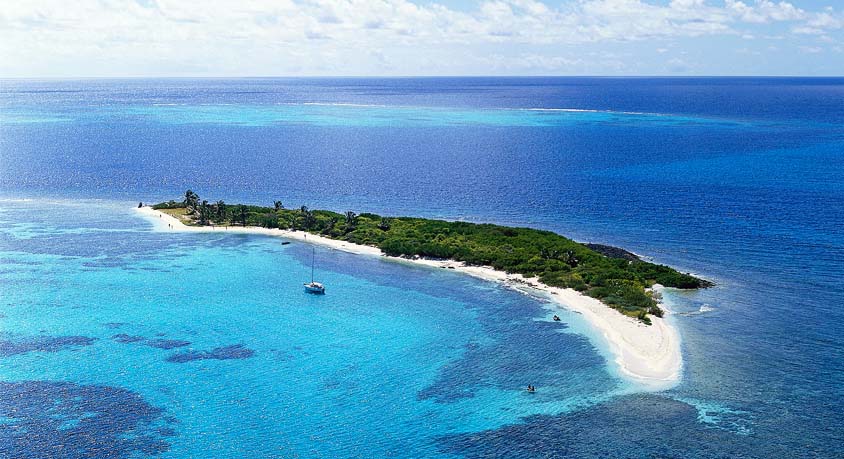
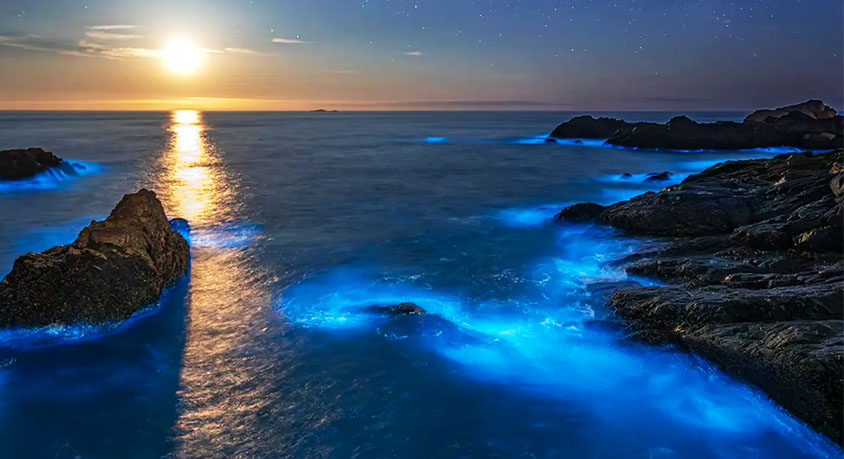
The water didn't just shimmer; it glowed with a deep, eerie indigo that seemed to pull the light right out of the sky. I was balancing on a rickety wooden raft, my feet dangling into a mix of icy freshwater springs and warm salt water, watching a tiny silver fish dart through the submerged roots of an ancient mangrove. There was no club music thumping in the background, no "all-inclusive" wristbands scratching my skin, and the only "entertainment" was the sound of my raft-man, a local named Moses, whistling a tune while he navigated the deep, cobalt silence. While most tourists are busy fighting for a plastic lounge chair at some soul-sucking mega-resort in Montego Bay, I was floating in the exact spot where Hollywood stars used to hide from the world back in the 1950s.
Stepping off the "Knutsford Express" bus in Port Antonio felt like jumping back forty years into a Jamaica that hasn't been shrink-wrapped for American comfort. The four-hour journey from the Montego Bay airport is a winding, pothole-riddled endurance test that keeps the casual "Sun and Sand" crowd at bay, but the financial payoff starts the second you hit the pavement. While the cruise shippers in Ocho Rios are paying $150 for a "Tropical Adventure" package, I grabbed a room at a local guesthouse built into the side of a hill for $65 a night. The balcony looked out over the West Harbor, and the only "hidden fee" was the occasional mosquito that slipped through the screen. In the resort zones, $65 barely covers a mediocre breakfast for two; here, it buys you a front-row seat to the wildest, greenest coastline in the Caribbean.
Eating in Port Antonio is a masterclass in why you should never trust a hotel buffet. I stood on a street corner near the clock tower and handed $5 to a man with a massive blackened grill, receiving a foil-wrapped mountain of jerk chicken and "festivals" (sweet fried dough) that made every "Jerk-Style" dish I’ve ever had in a resort taste like cardboard. I watched a group of travelers at a nearby waterfront bistro pay $30 for a "Seafood Platter" that looked suspiciously like the $8 plate I saw at the local market an hour earlier. The trick here is simple: if there’s a menu with photos of the food, you’re paying the "tourist tax." If the menu is chalked on a piece of plywood and the jerk pit is made from an old oil drum, you’ve hit the jackpot.
Frenchman’s Cove was the one "tourist" spot I couldn't skip, mostly because I wanted to see if the reality lived up to the vintage postcards. The entrance fee is about $12, which feels steep until you realize it’s the only way to access a river that flows directly into a turquoise bay framed by hanging vines. I bypassed the $50 private cabanas and threw my towel under a sea grape tree. While a couple from a luxury villa nearby complained about the lack of "attendant service," I was watching a local kid swing from a rope into the cold river water. It’s a place that rewards people who are willing to carry their own cooler and ignore the "VIP" seating areas that are just chairs with a higher price tag.
Getting around this part of the island requires a certain level of comfort with "Route Taxis"—white Toyotas with red license plates that function as the island’s nervous system. I squeezed into the back seat between a woman carrying a crate of mangoes and a student heading to school, paying about $1.50 for a ride that would have been a $40 private shuttle fare in Negril. There is no haggling; you just hand over the Jamaican dollars and nod at the driver. It’s chaotic, loud, and smells faintly of sea salt and diesel, but it’s the only way to move if you want to keep your travel fund from evaporating before the first sunset.
We trekked up to Reach Falls on a Tuesday morning, avoiding the weekend crowds of Kingstonians and the rare tour bus. Instead of paying for a "VIP Trek," we just followed the sound of the water. For about $10, we climbed through underground tunnels and jumped into heart-shaped pools carved out of the limestone. It’s a raw, tactile experience that the big resorts can't replicate because their insurance lawyers would have a heart attack at the sight of the slippery rocks. Another ignored gem is the Folly Ruins—a crumbling, roofless mansion from the 1900s that sits on a lonely peninsula. It’s free to walk through, and the crumbling concrete arches against the backdrop of the crashing surf provide a haunting, Gothic beauty that makes an "Infinity Pool" look incredibly boring.
Port Antonio is where you go when you realize that "luxury" is actually just a wall between you and the place you’re trying to visit.