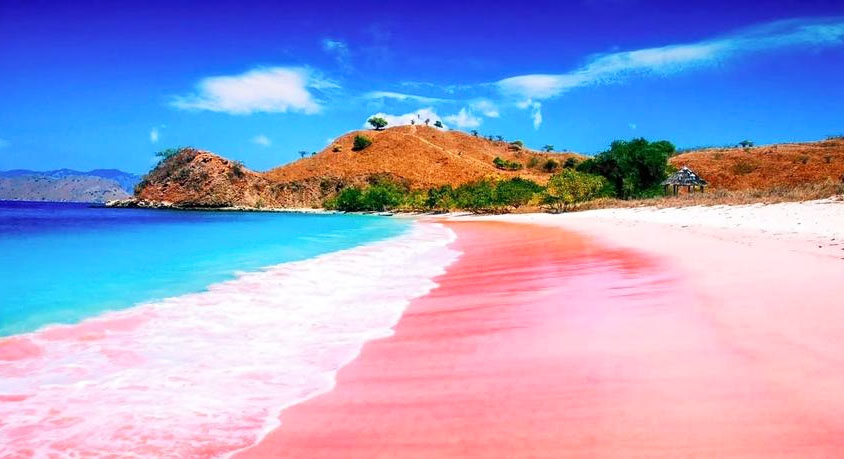
The heat was a physical weight, thick with the scent of frying fish and salt air, as I stepped off a wobbling fiberglass boat onto a concrete ledge that barely qualified as a pier. I wasn't in a terminal; I was in someone’s living room, or perhaps their kitchen, or maybe a communal hallway—it was impossible to tell where one house ended and the next began on Santa Cruz del Islote. A toddler in nothing but a pair of oversized shorts darted between my legs, chasing a rooster toward a tiny square where a dozen teenagers were shouting over a single, shared cell phone. In the United States, we pay thousands of dollars for "privacy" and "personal space," but as I stood in the middle of this man-made speck of coral in the Caribbean, where 1,200 people live on a plot of land no larger than two soccer fields, I realized the silence of a suburban backyard suddenly felt incredibly lonely.
Navigating the San Bernardo archipelago requires a healthy skepticism of any boat captain in Cartagena who tells you a "private shuttle" is the only way to go. We bypassed the $150 tourist speedboats and took a two-hour bus ride to the dusty port of Tolú for about $10, then hopped on a local supply boat for $20. While the influencers were busy taking identical photos of the clock tower in Cartagena, paying $15 for a lukewarm mojito, I was sitting on a plastic crate surrounded by bags of rice and crates of Aguila beer. The financial reality of these islands is a hilarious sliding scale; if you arrive from Cartagena, the "gringo tax" is baked into every price, but if you approach from the south like a local, your coffee suddenly drops from $4 to 80 cents.
Wandering through the "streets" of Santa Cruz del Islote—which are really just narrow gaps between colorful cinderblock walls—I found myself invited to watch a local soccer match played on a pitch so small it looked like a foosball table come to life. There are no cars here, no motorcycles, and not a single blade of grass, yet the energy is infectious. A man named Juvenal, who claimed to have lived on the island for all 70 of his years, told me that they don't have a cemetery because there simply isn't room, so they bury their dead on a neighboring island. "We live together," he said with a shrug, "so why would we want to be alone when we're gone?"
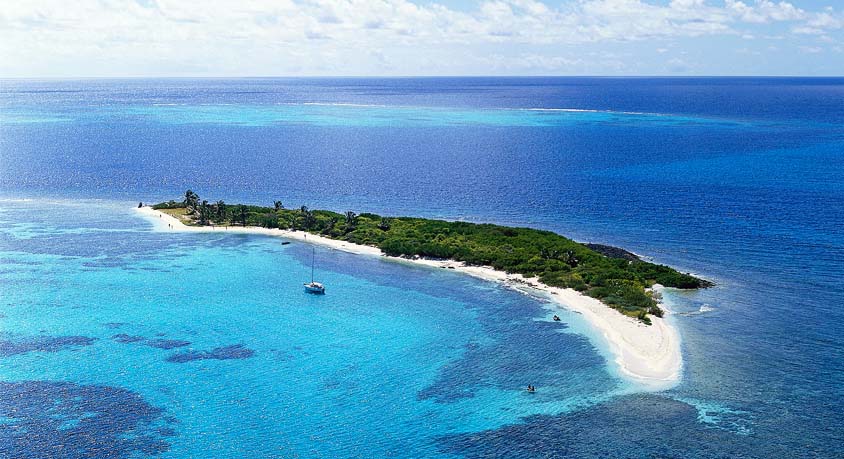
Staying on the neighboring island of Isla Múcura is the move for anyone who wants the "desert island" aesthetic without the soul-crushing prices of the overwater bungalows seen on TikTok. We checked into a small eco-hostel for $55 a night, which featured a bed draped in a mosquito net and a view of the reef that made the $600-a-night resorts in the Maldives look like a rip-off. The "luxury" travelers at the hotel next door were paying $30 for a grilled lobster that we bought directly from a fisherman on the beach for $12. The trick is to avoid any place with a printed menu; if the "chef" has to ask the guy in the boat what he caught ten minutes ago, you’re in the right spot.
Floating in the pitch-black waters of the "Pajarales" lagoon later that night, every movement of my hand sent a shower of electric-blue sparks through the water. This bioluminescent plankton experience is usually sold as a "premium excursion" for $80 in the city, but we paid a local boatman named Carlos $15 to take us out in his wooden skiff. There were no life jackets with flashing lights or synchronized swimming routines—just the raw, haunting beauty of the ocean glowing beneath us. It’s a surreal, silent light show that makes you realize how much we overcomplicate travel when we insist on "curated" experiences.
Walking along the white sands of Isla Tintipán during the "green season" in late October meant we had to dodge the occasional afternoon downpour, but it also meant the price of our boat transfers dropped by nearly 40%. From the States, you’re looking at a flight to Bogotá followed by a short hop to Montería or Cartagena, a journey that typically eats up about 10 hours of your life. While December and January offer the best weather, the islands become a chaotic parking lot for yachts and the prices for a simple "pargo rojo" (red snapper) dish can triple. By coming in the shoulder season, we traded a bit of humidity for a version of the Caribbean that felt like it belonged to us, rather than a travel agency.