I spent twelve years on Wall Street watching smart people do incredibly stupid things with their money, but nothing compares to the current collective delusion that "safe" investments are actually safe. Last week, a former colleague told me he felt "secure" because his entire net worth was sitting in a traditional 60/40 portfolio, while the ground beneath the global banking system is shifting faster than a New York minute. We’ve been conditioned to believe that volatility is the same thing as risk, which is the first lie the industry tells you to keep you paying management fees for mediocrity. In reality, the biggest risk you face today isn't a market crash—it's the slow, silent theft of your future purchasing power while you sit in "stable" assets that can't keep up with the real-world cost of living.
The dangerous myth of safety in traditional Wealth Management strategies
The suit-and-tie crowd loves to sell you on the idea of a "balanced" portfolio, but they usually fail to mention that correlations go to one during a real crisis. I remember 2008 vividly; the "diversified" guys were the ones jumping out of windows because everything they owned was tied to the same decaying debt structures. Your bank account isn't a vault; it's a warehouse where your money sits and rots while the institution lends it out to people who are actually taking bets on the future. If you aren't actively questioning the "tried and true" methods of the last forty years, you aren't being conservative—you're being a target.
Why your High-Yield Savings Account is a psychological trap
Most people see a 4% yield and feel like they’ve won, but they ignore the fact that the cost of things that actually matter—like elite education and healthcare—is inflating at twice that rate. You are essentially running upward on a downward escalator, sweating and panting just to stay in the same place. I’ve personally fallen for this "cash is king" mentality during periods of high stress, only to realize months later that my "dry powder" was losing its explosive potential every single day. The "yield" is just a sedative designed to keep you from noticing that the currency itself is being debased by policy decisions made in rooms you’ll never enter.
Deconstructing the illusion of fixed-income stability
Bonds used to be the bedrock of a retirement plan, but in a world of spiraling national debts, they’ve become "return-free risk." When inflation stays sticky, your fixed coupon payment buys fewer groceries every month, effectively turning your "safe" investment into a slow-motion leak in your financial boat.

Integrating Digital Assets without losing your mind or your shirt
The average investor treats Bitcoin and Web3 like a trip to the casino, mostly because the media focuses on the scams rather than the structural shift in how value is recorded. I’ve seen people lose millions chasing "the next big coin" because they didn't understand that they were buying a marketing pitch, not a technology. You don't need to be a "crypto bro" to recognize that the digitization of everything is inevitable; you just need to stop treating it like a religion and start treating it like a high-velocity software play.
The logic of the asymmetric bet in a modern portfolio
If you put 1% of your wealth into a high-growth digital asset, the worst that happens is you lose 1%, but the best that happens is it changes your lifestyle forever. Contrast that with "safe" stocks where the upside is capped and the downside is still significant during a systemic shock.
How to spot a financial rug-pull before it happens
Check the liquidity, look at the underlying utility, and if someone promises "guaranteed" returns above market average, run in the opposite direction. True digital value is about decentralization and scarcity, not a flashy website and an influencer's endorsement.
Navigating Market Volatility by understanding the human lizard brain
Our brains are hardwired to sell when things look scary and buy when everyone is bragging at a cocktail party, which is exactly why most retail investors underperform a simple index. I’ve had to physically take my own phone away to keep from making "panic trades" during 2:00 AM market dips in the past. To survive the next decade, you need a "battle plan" written down during a period of calm that dictates exactly what you will do when the red candles start appearing on your screen. If you’re reacting to the news, you’re already too late; the professionals have already priced in your fear.
Practical steps for effective Inflation Protection in a debt-heavy world
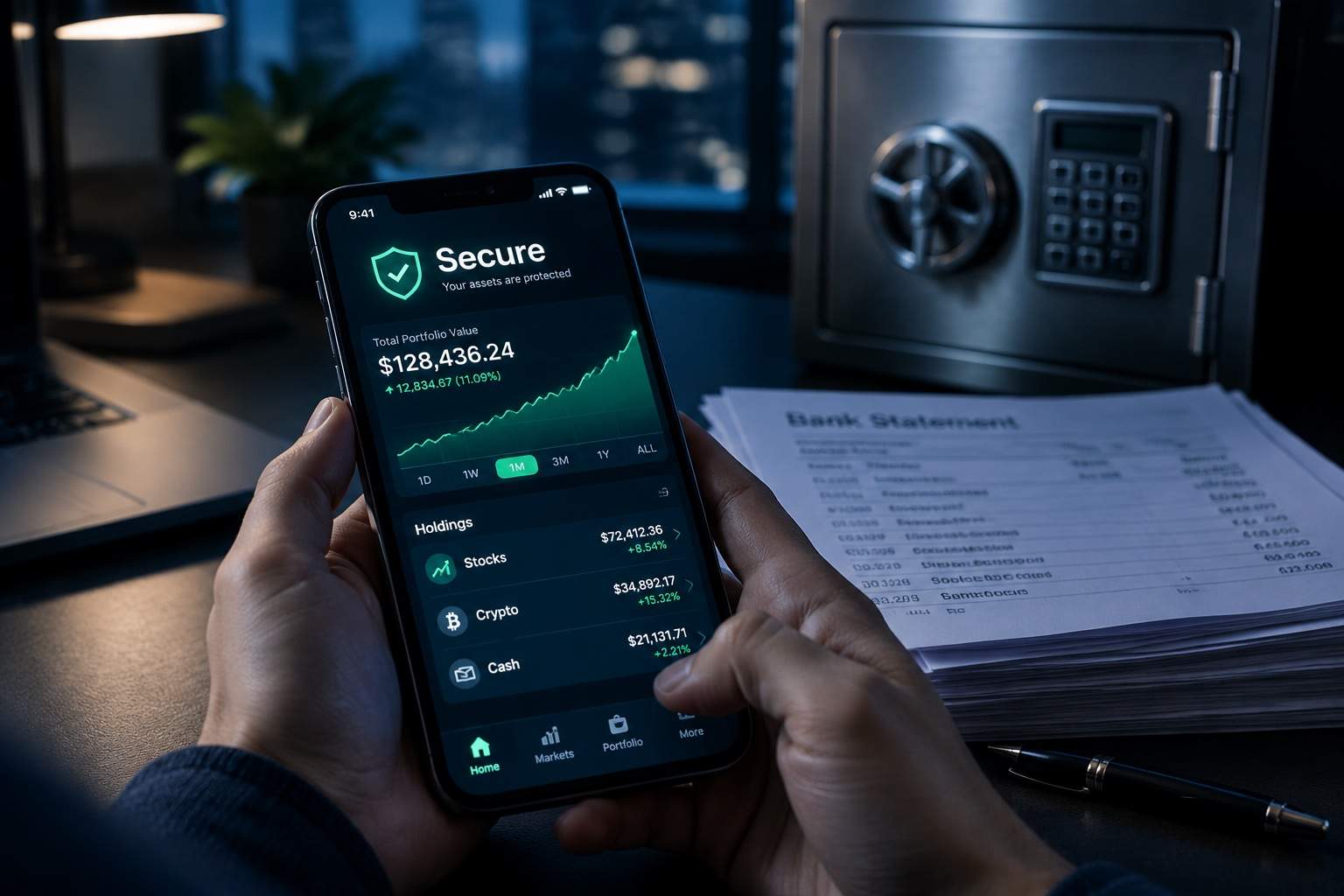
Stop looking at the nominal value of your accounts and start measuring your wealth in "units of freedom"—how many years could you live your current lifestyle if you stopped working today? Real assets, whether they are specialized real estate, high-margin tech stocks, or hard digital currency, are the only things that will survive the upcoming debt jubilee. I recently moved a significant portion of my own "emergency fund" into assets that are outside the traditional banking rails, not because I'm a doomer, but because I like having a fire exit that the bank can't lock.
Mastering the art of Portfolio Diversification across jurisdictions
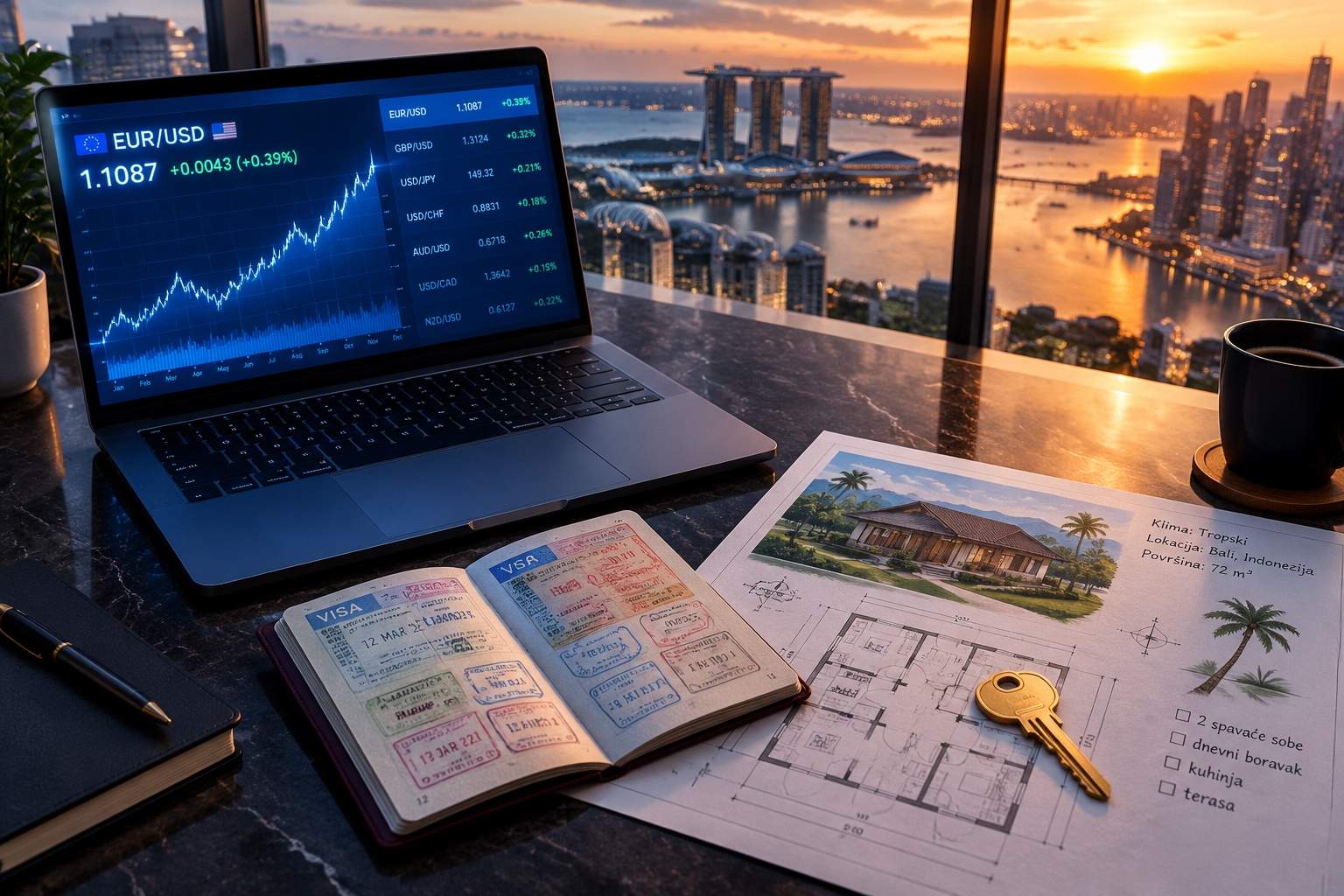
If all your money is in one currency, in one country, under one legal system, you aren't diversified; you're a hostage to local policy. The wealthy have always moved their capital across borders to chase the best protections, and today’s technology finally allows the middle class to do the same with a few clicks. The goal isn't to evade taxes—it's to avoid being the only person left holding the bag when a local economy decides to "restructure" its obligations at your expense.
If you woke up tomorrow and the bank told you that you could only withdraw $500 a week, would your world collapse, or would you simply log into a different account?