There’s nothing quite like the feeling after a good workout—endorphins flowing, muscles feeling engaged, and a sense of accomplishment. But for many people, that post-exercise glow can be overshadowed by a less welcome issue: skin problems. Whether it’s a breakout on the back, clogged pores on the chest, or that tight, irritated feeling on the face, the combination of sweat, friction, and bacteria can take a toll. The good news is that these issues are preventable with a few simple steps. Taking care of your skin after a workout isn’t just about looking good—it’s about supporting your body’s natural ability to stay healthy, even when you’re pushing it to perform.
To understand why exercise can affect your skin, let’s break down what happens during a workout. When you sweat, your body releases moisture to cool you down, and this sweat carries with it small amounts of salt and other minerals. While sweat itself is mostly harmless, it can mix with the natural oils on your skin and the bacteria that live there. If this mixture sits on your skin for too long—especially in areas where your clothes rub against your body, like the back or thighs—it can clog pores. Clogged pores are a common cause of acne, often called “backne” when it appears on the back. A 2021 study on exercise and skin health found that people who don’t shower within 2 hours of a workout are 3 times more likely to develop exercise-related breakouts than those who clean their skin sooner. Another factor is friction. Tight or non-breathable workout clothes can rub against the skin, irritating it and making it more prone to redness or even small bumps. This is especially true in areas with more sensitive skin, like the underarms or inner thighs.
The first line of defense against post-workout skin issues starts before you even lace up your sneakers: choosing the right clothes. Opt for workout gear made from moisture-wicking fabrics, like polyester blends or merino wool. These materials pull sweat away from your skin and allow it to evaporate, instead of trapping it against your body. Avoid cotton if you’re going to sweat a lot—while cotton is comfortable, it soaks up sweat and stays damp, which can irritate the skin and encourage bacteria growth. It’s also a good idea to wear loose-fitting clothes when possible, especially in areas where you’ve had breakouts before. Tight clothes might look sleek, but they increase friction, which can make skin problems worse. If you’re doing a high-intensity workout, consider wearing a lightweight tank top instead of a long-sleeve shirt to let your skin breathe.

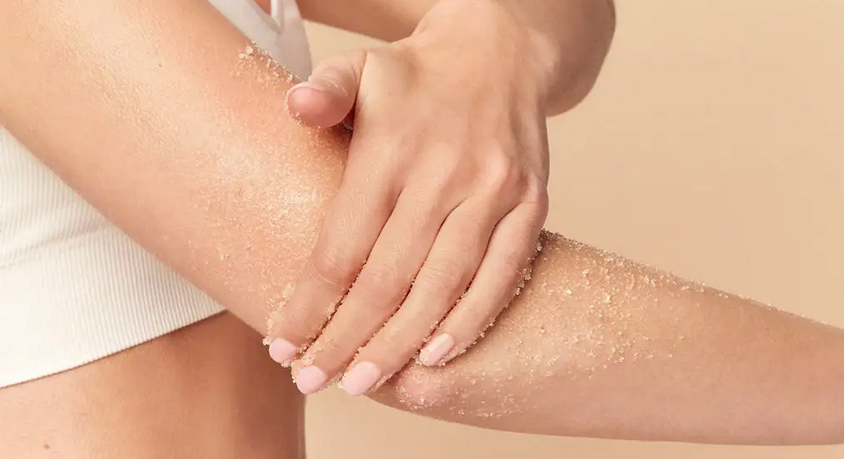
Once your workout is done, the most important step is to clean your skin as soon as you can. You don’t necessarily need a full shower if you’re short on time—a quick wipe with a gentle, alcohol-free cleansing wipe can help remove sweat and bacteria until you can wash properly. When you do shower, use a body wash that contains salicylic acid. Salicylic acid is a gentle exfoliant that works by dissolving the oil and dead skin cells that can clog pores. It’s especially effective for the back, chest, and shoulders—areas where breakouts often occur. Apply the body wash with a soft washcloth or your hands (avoid loofahs, which can be too rough and spread bacteria) and gently massage it into your skin, focusing on areas that tend to get sweaty. Be sure to rinse thoroughly—any leftover product can dry out your skin. For your face, use a mild, non-foaming cleanser to avoid stripping away too much natural oil, which can trigger your skin to produce even more oil later.
After cleansing, it’s important to hydrate your skin—even if you have oily or acne-prone skin. Sweat can dehydrate your skin, and when skin is dehydrated, it can become irritated. Choose a lightweight, oil-free moisturizer that won’t clog pores. Look for ingredients like hyaluronic acid, which attracts moisture to the skin without adding greasiness. Apply it to your face and body while your skin is still slightly damp from the shower—this helps lock in moisture. Pay extra attention to areas that feel tight, like the elbows or knees. If you have sensitive skin, avoid moisturizers with added fragrances, which can cause irritation.
Another key step is changing out of your workout clothes as soon as possible. Even if you feel like you don’t have time, sitting in sweaty clothes allows bacteria to multiply and increases friction against your skin. Keep a clean set of clothes in your gym bag, including underwear and socks—moisture-wicking fabrics are best here too. If you’re heading straight to work or errands after the gym, consider packing a travel-sized deodorant and a small bottle of the same salicylic acid body wash for a quick refresh in a public restroom. It might seem like a hassle, but it’s a small investment in keeping your skin clear.
Many people find that once they adjust their post-workout routine, they notice a big difference in their skin. Take Lisa, a 34-year-old who loves running but struggled with back acne for years. She started wearing moisture-wicking tops, showering with a salicylic acid body wash within 30 minutes of her runs, and changing into clean clothes right away. After a month, her back was clear, and she felt more confident wearing tank tops. “I used to think the acne was just part of working out,” she said. “I didn’t realize a few small changes could make such a big difference.”
Taking care of your skin after a workout is an extension of taking care of your body. It’s not about perfection—it’s about being consistent. By choosing the right clothes, cleaning your skin promptly, and keeping it hydrated, you can enjoy all the benefits of exercise without the unwanted skin issues. After all, your skin works hard too—treating it well helps it stay healthy, so you can focus on what matters most: feeling your best.