The canopy above my head didn't just rustle; it breathed with a heavy, humid rhythm that seemed to slow my own pulse. I was balancing on one foot on a teak platform at the edge of the Nosara forest, watching a howler monkey stare me down with a look that suggested he found my attempt at a "tree pose" deeply insulting. There was no hum of an air conditioner, no ping of a Slack notification—just the smell of damp earth and the distant, low roar of the Pacific crashing against Playa Guiones. My host, a 92-year-old man named Don Alberto who moved like a teenager, had handed me a cup of black coffee that morning and told me, "In Nosara, we don't hurry to the end; we just walk." It was a jarring contrast to my life in New York, where "walking" is usually a frantic sprint to a subway doors that are already closing, and it was the first time I realized that maybe, just maybe, our version of success is actually killing us.
Stepping off the tiny Sansa prop plane onto the gravel airstrip of Nosara felt less like an arrival and more like a tactical retreat from the over-manicured resort culture of Papagayo. While most Americans flock to the all-inclusive bubbles where a "tropical experience" means a buffet and a wristband, we opted for a mid-range jungle lodge that set us back about $160 a night—a steep drop from the $600-a-night villas favored by the tech-bros who have started to colonize the area. The lodge didn't have a TV, but it had a path that led directly into a wildlife refuge where the cost of entry was exactly zero dollars. We bypassed the $100-a-day SUV rentals, which are the biggest scam in the Nicoya Peninsula, and rented bicycles for $15 a day. It turns out that navigating the notoriously dusty, pothole-ridden "roads" of Nosara on two wheels isn't just a workout; it’s a social filter that keeps the tourists who demand luxury confined to their air-conditioned boxes.
Eating like a local in a "Blue Zone" requires a complete abandonment of the fancy menus that list prices in USD. We found a small "Soda"—a traditional family-run eatery—tucked behind a surf shop where the Gallo Pinto (rice and beans) was served with fried plantains and a massive slab of white cheese for about $7. I watched a group of travelers at a nearby boutique hotel pay $22 for a "deconstructed breakfast bowl" that was essentially the same thing but with more cilantro and a higher ego. The secret to the longevity here isn't a powdered superfood supplement; it’s the mineral-rich water and the fact that the food hasn't traveled three thousand miles in a refrigerated container. I spent less on a week of fresh papaya, local eggs, and hand-pressed tortillas than I usually spend on a single weekend of takeout back home.
Surfing at Playa Guiones at 6:00 AM provided a lesson in humility that no "wellness retreat" could ever replicate. The water was the temperature of a lukewarm bath, and the waves were gentle enough for a beginner but consistent enough to keep the experts happy. Most people pay $80 for a "professional" surf lesson from a guy with a website; we walked down to the beach and chatted with a local teenager who taught us the basics for a couple of smoothies and twenty bucks. He showed us how to read the "break" near the mangroves, a spot that remains blissfully empty while the main peak gets crowded with people trying to capture the perfect GoPro shot. It’s a recurring theme in Nosara: if you’re willing to sweat and talk to a human instead of an app, the price of "paradise" drops by half.
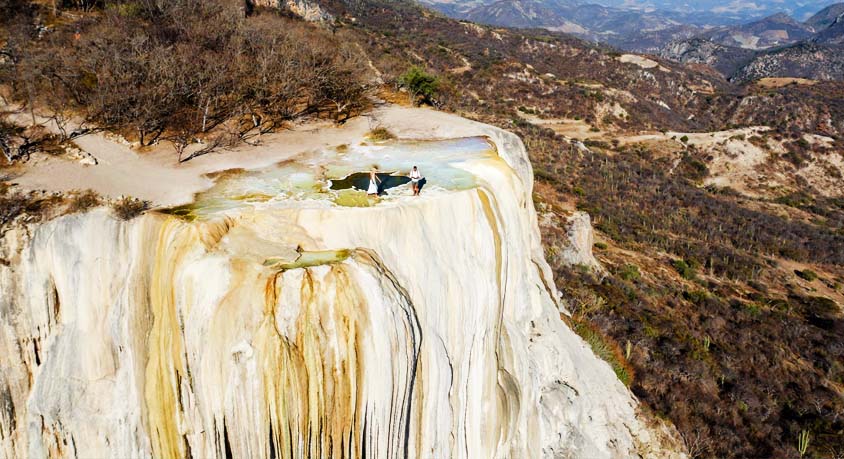
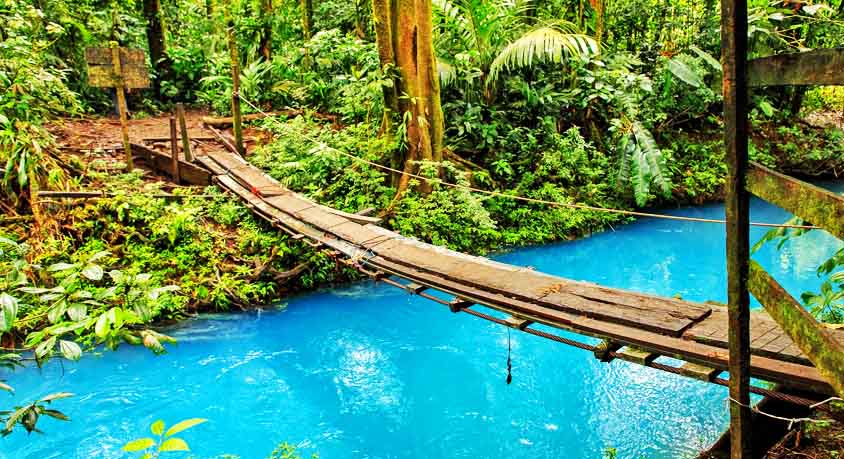
We stumbled upon the Mala Noche waterfall after a grueling forty-minute hike that involved crossing two streams and dodging a very confused iguana. It’s not on the main tourist maps, and there’s no ticket booth or souvenir stand at the end—just a cold, clear pool of mountain water shielded by giant ferns. While the "famous" waterfalls in Costa Rica charge $15 per person and feature paved walkways, Mala Noche cost us nothing but the calories we burned getting there. Another overlooked gem is the Sibu Sanctuary; while it’s not free, the $30 donation goes entirely to rehabilitating injured monkeys rather than padding the pockets of a corporate tour operator. We sat there for two hours watching a baby spider monkey learn to use his tail, a cultural and emotional experience that makes a $100 sunset catamaran cruise look like a boring waste of time.
Traveling from the US to Nosara is a commitment—it’s roughly a five-hour flight to Liberia followed by a bumpy two-and-a-half-hour drive that will test your spine's structural integrity. We chose to visit in the "green season" when the dust is settled by afternoon rains and the landscape turns a vibrant, almost neon emerald. The crowds are thinner, and the guesthouses are far more willing to negotiate their rates. If you come in the dry season, be prepared to wear a bandana over your face just to breathe on the dirt roads, and expect to pay a "sunshine tax" on everything from beer to bike rentals.